Breaking News
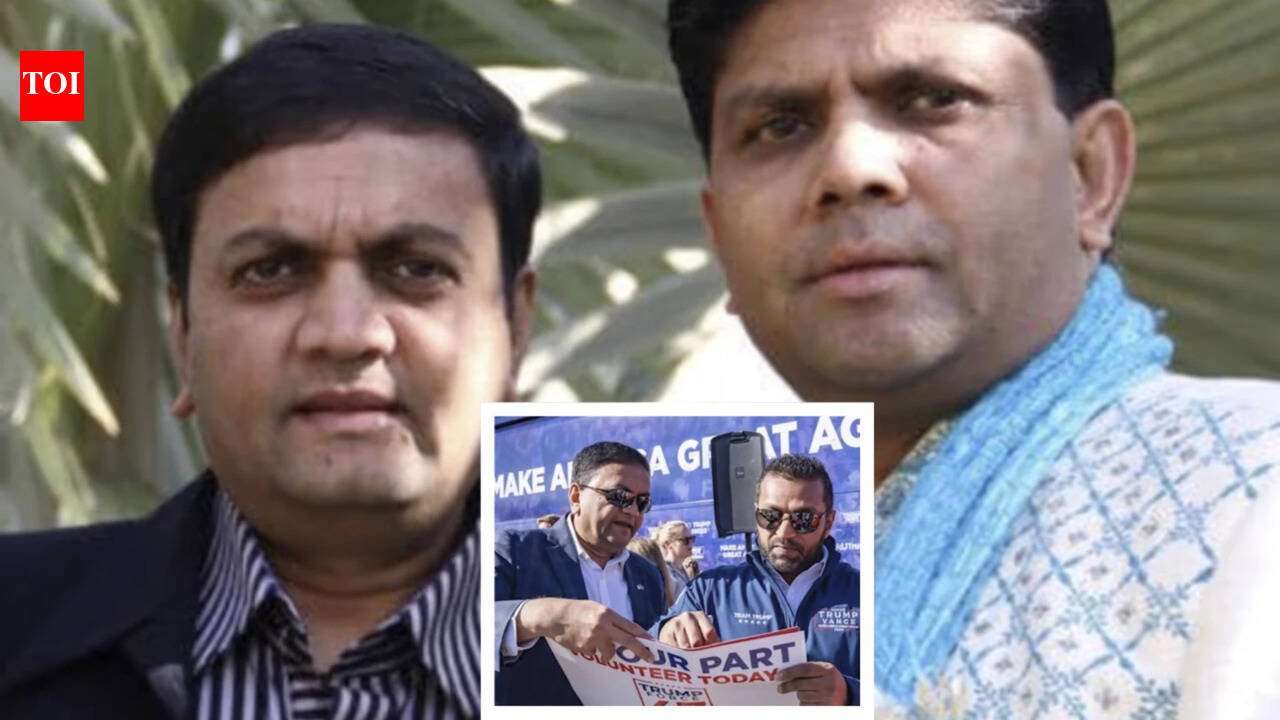
Indian-origin brothers who bragged about meeting Kash Patel convicted of H-1B visa fraud, healthcare scam in Pennsylvania; facing 400 years in prison


Two brothers from Pennsylvania, Bhaskar Savani and Arun Savani, have been found guilty in a multi-state racketeering conspiracy that included different types of fraud. The Savani brothers built the Savani Group that amassed millions of dollars through these fraud schemes. Bhaskar Savani is a dentist and their group committed medical fraud too. Interestingly, the brothers bragged on social media about meeting Kash Patel and posted photos with him. They also celebrated when Kash Patel became the FBI director though they were on the radar of the agency and were charged in 2023. An associate of the two brothers, Aleksandra Radomiak, has also been convicted and faces up to 40 yearsof imprisonment and fines. The two brothers face over 400 years of imprisonment — Bhaskar 420 years and Arun 415 years. Their sentencing will take place in July 2026.

Details of the Savani brothers’ scam

H-1B visa scam: According to DOJ charges, their group filed false H-1B visa applications and petitions with the administration for hiring Indians who were dependent on the Savani Group and used to take fees from them. Medicaid fraud: They fraudulently obtained Medicaid contracts and billed Medicaid using nominee business owners after Savani Group dental practices were terminated from Medicaid insurance contracts. The Savani Group defrauded Medicaid of more than $30 million through the scheme.Healthcare fraud: Submitting false bills to Medicaid using another dentist’s National Provider Identifier (NPI) on dates when the other dentist was physically outside of the United States and for dental services performed by uncredentialed dentists.Money laundering: Transferring and concealing health care fraud proceeds from the nominee-owned dental practices through a complex web of Savani group corporate entities’ bank accounts that ultimately benefited the Savani brothers and their associated corporate entities.Tax and wire fraud: The Savani brothers and their companies failed to pay taxes on approximately $1.6 million of unreported personal income and $1.1 million of their employees’ unreported income. They failed to pay personal and payroll taxes and fraudulently expensed through their businesses, among other personal expenses, college tuition payments, personal property taxes, and pool and lawn maintenance costs for their personal homes.FDCA conspiracy: They used dental implants not for human use in human patients without their knowledge and consent.

Source link

India prepares to add new incentives under its flagship PLI scheme for smartphone companies; likely to boost Apple and Samsung


India prepares to add new incentives under its flagship PLI scheme for smartphone companies; likely to boost Apple and Samsung
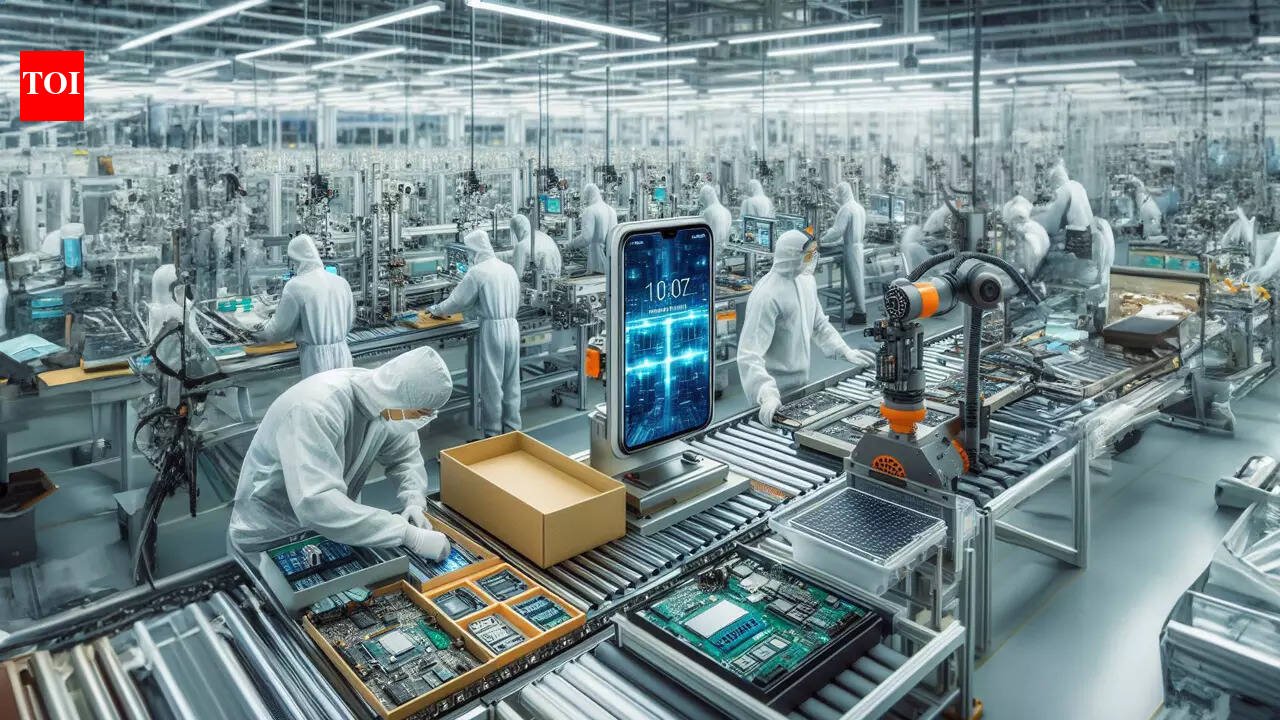
The growth in local production, especially in smartphones, was supported by the government’s PLI scheme. (AI image)

The Indian government is reportedly preparing a major overhaul of its flagship smartphone manufacturing incentive programme. The ‘revamped’ flagship Production-Linked Incentive (PLI) scheme for smartphones will tie government subsidies to exports and the use of locally produced components for the first time, as per a report by Bloomberg. The move is likely to benefit Apple, Samsung and their suppliers.Citing people familiar with the matter, the report claimed that the new plan marks a departure from the existing model, which focused primarily on boosting domestic production volumes, and that the revamped scheme programme will replace the current version of which expires on March 31. The exact policy design, size of incentives, and total budget are still being finalised and could change during inter-ministerial consultations, the report said.

What is changing and why

Under the original PLI scheme, with nearly every smartphone sold in India now assembled locally, government officials believe the programme has largely fulfilled its initial goal of meeting domestic demand, the report said, citing its sources.The focus is now shifting: moving India up the manufacturing value chain, beyond what officials have described as “screwdriver assembly” – the process of putting together components that are made elsewhere. Under the new proposal, companies will be rewarded not just for how much they produce, but for how much they export and how much of the device is made in India. Furthermore, incentives are expected to be tiered: Manufacturers will receive higher subsidies if the local content goes into each device. Components such as camera modules, display assemblies and other sub-parts sourced from Indian suppliers could qualify for additional benefits. Moreover, electronic devices that meet the highest localisation thresholds and are shipped overseas could receive the maximum subsidy available.

Revamped PLI programme to benefit Samsung and Apple

The iPhone maker’s contract manufacturers – primarily Foxconn and Tata Electronics – already account for roughly three-quarters of India’s total smartphone exports, making Apple the single biggest driver of India’s emergence as a global handset export hub. Reportedly, Apple also targets to ship the majority of US-bound iPhones from India by the end of this year, a goal that would further cement India’s position as the top source of smartphones sold in the American market.Samsung is also a significant beneficiary of the existing PLI programme and is expected to feature prominently in the new one.Furthermore, the government is also using the revamped scheme as a lever to push Chinese smartphone brands, including Oppo, Vivo and Xiaomi, to do more than just manufacture for the Indian domestic market.


Source link

Liberia-flagged tanker ‘Shenlong’ carrying Saudi crude enters India via Strait of Hormuz | India News


Liberia-flagged tanker ‘Shenlong’ carrying Saudi crude enters India via Strait of Hormuz

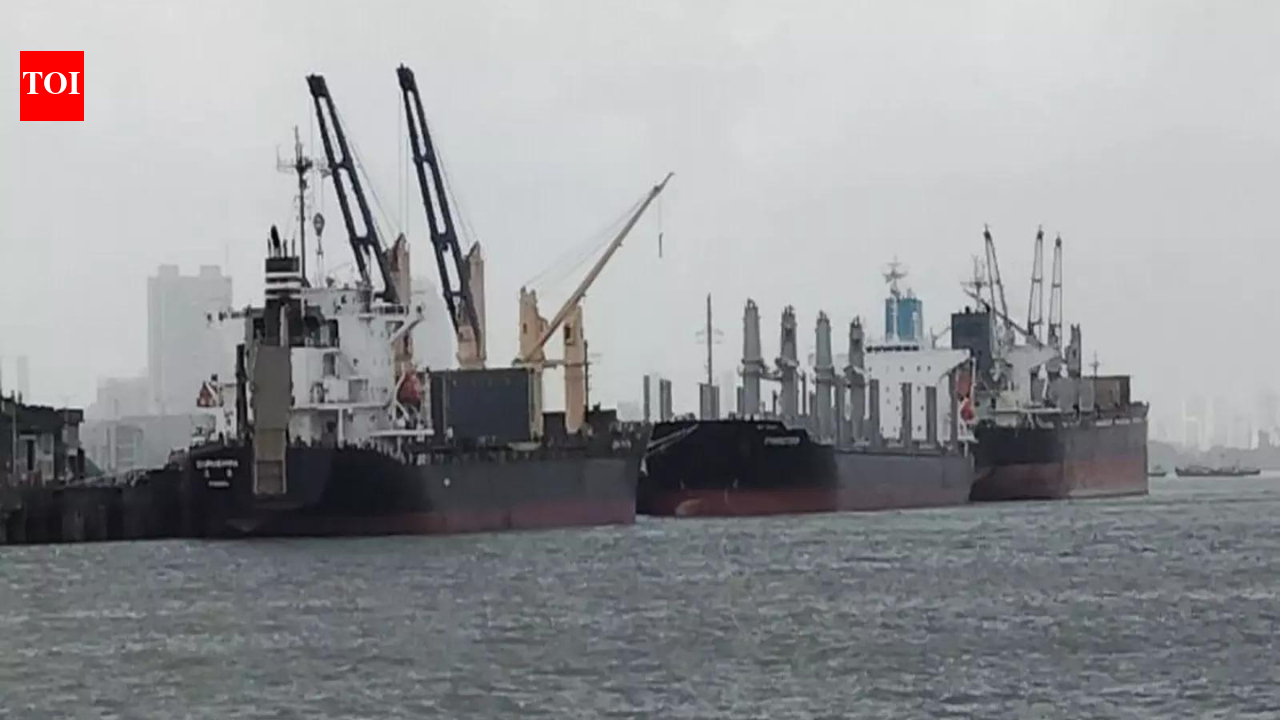
NEW DELHI: A crude oil tanker that passed through the Strait of Hormuz has arrived at Mumbai Port, becoming one of the first vessels to reach India via the critical route amid escalating tensions in the Middle East. According to the Mumbai Port Trust, the Liberia-flagged tanker Shenlong Suezmax, captained by an Indian national and carrying crude oil loaded at Ras Tanura, Saudi Arabia reached Mumbai on Wednesday, reported ANI.Authorities said Iran had cleared the vessel to transit the strategic waterway, where shipping activity has sharply declined following the conflict involving the United States, Israel and Iran. Sources said Iranian authorities have decided to allow Indian-flagged ships to move safely through the strait even as maritime traffic in the region has slowed significantly since the US and Israel carried out strikes on Iran. The Shenlong Suezmax, which departed Ras Tanura on March 1, completed its journey to Mumbai after receiving permission to pass through the narrow shipping corridor.Iran has tightened control over shipping in the strait in recent days. Alireza Tangsiri, commander of the naval arm of the Islamic Revolutionary Guard Corps, said vessels seeking to sail through the waterway must obtain Tehran’s approval. In a post on X, he said two ships that ignored Iran’s warnings were targeted on Wednesday.“Were the ships assured of safe passage through the Strait of Hormuz? This should be asked of the crews of the vessels Express Rome and Mayuree Naree, who today, trusting in empty promises, ignored the warnings and intended to cross the Strait, but were caught. Any vessel intending to pass must obtain permission from Iran,” the Iranian general said.Iranian state media has reported that Tehran has intensified restrictions on shipping through the strait, while stating that vessels not serving the interests of the United States or Israel would be allowed safe passage. The Strait of Hormuz is one of the world’s most critical maritime chokepoints, with more than 20 million barrels of crude oil moving through the narrow channel between Iran and Oman every day, about a fifth of global oil consumption and nearly a quarter of seaborne oil trade.Meanwhile, the ministry of ports, shipping and waterways said that 28 Indian-flagged vessels are currently operating in the Persian Gulf. Of these, 24 vessels carrying 677 Indian seafarers are located west of the Strait of Hormuz, while four vessels with 101 Indian crew members are positioned east of the strait. The ministry said a 24-hour control room has been operating since February 28 at the ministry and the Directorate General of Shipping to monitor the evolving situation and coordinate assistance if required. Authorities are also working with Indian embassies, ship managers and recruitment agencies to ensure the safety of Indian seafarers in the region.


Source link

Reliance-backed oil refinery in US: What makes Trump’s ‘historic $300 billion deal’ significant? Top 10 points


Reliance-backed oil refinery in US: What makes Trump’s ‘historic $300 billion deal’ significant? Top 10 points
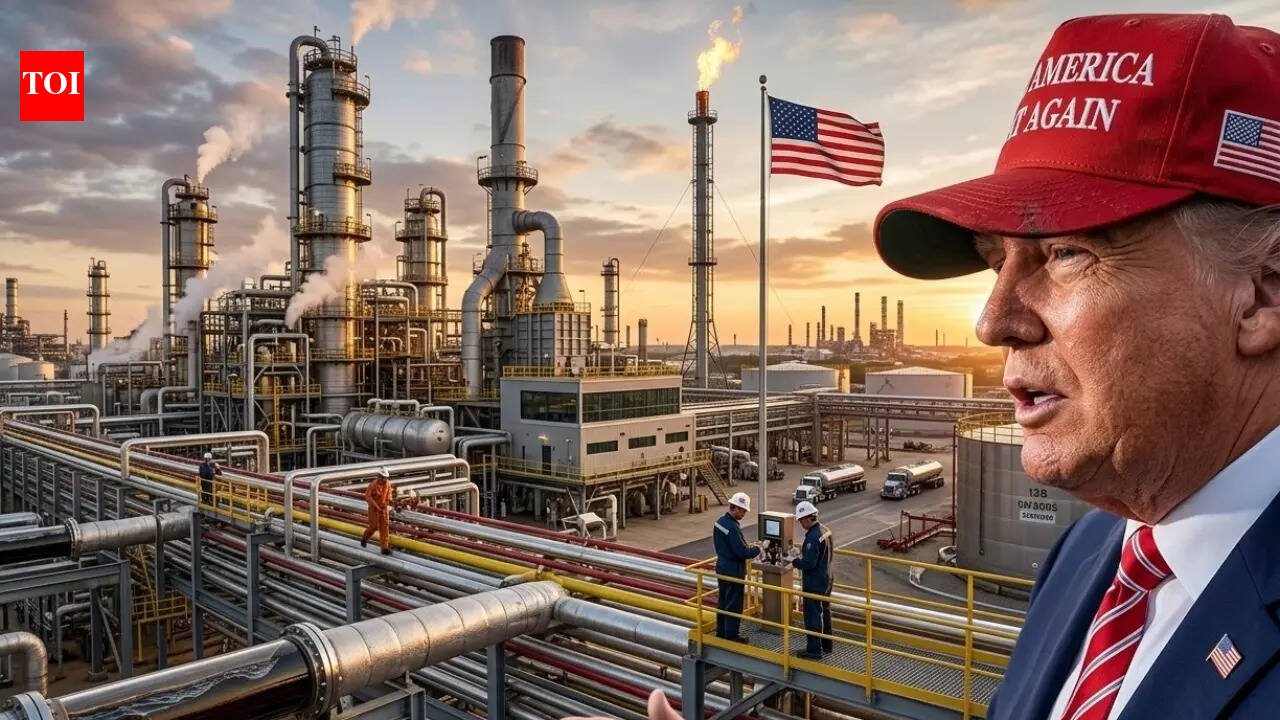
Data from the US Energy Information Administration shows that the US had 132 operational petroleum refineries as of January 2024. (AI image)

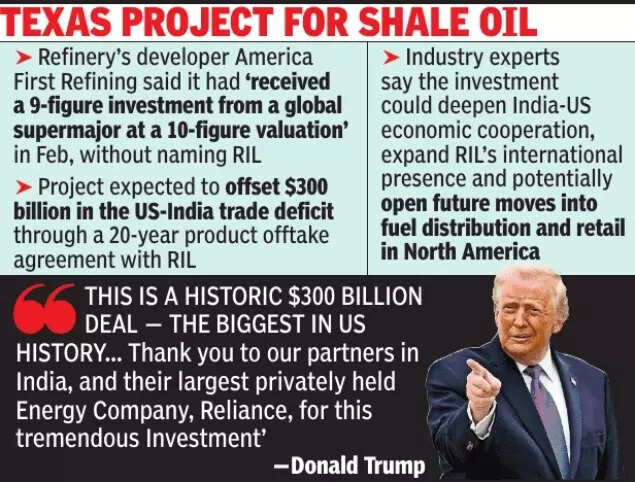
Mukesh Ambani-led Reliance Industries (RIL) has partnered with America First Refining (AFR) to develop the first large oil refinery project in the United States in nearly fifty years, with President Donald Trump describing it as a ‘historic $300 billion deal’. This marks one of RIL’s largest overseas investments and signalling its re-entry into the American energy sector after a four-year gap.Data from the US Energy Information Administration shows that the US had 132 operational petroleum refineries as of January 2024.“This is a historic $300 billion deal—the biggest in US history—a massive win for American workers, energy and the great people of South Texas,” Trump said, expressing gratitude to Reliance for what he called a “tremendous investment.” The facility is expected to boost domestic energy production in the US while generating thousands of jobs, Trump said.

Trump Announces $300-bn Reliance Investment To Build Oil Refinery In Texas, Thanks ‘Partners In India’

Reliance Refinery in US: Top 10 Things We Know

America First Refining (AFR), the company developing the refinery at the Port of Brownsville in Texas, said in February that it had secured a “nine-figure investment from a global supermajor at a 10-figure valuation,” though it did not disclose the identity of the investor at the time. “For the first time in half a century, the US will build a new refinery designed specifically for American shale oil,” said AFR chairman & founder John Calce according to a TOI report.The development comes within years of RIL’s exit from the US upstream oil and shale gas sector in 2021. 1) Refinery OutputThe upcoming refinery will have the capacity to process 168,000 barrels of shale oil per day.

Texas Project for Shale Oil

2) Refinery locationAFR said the proposed refinery will primarily process light shale crude sourced from the Permian Basin in west Texas.The firm added that the refinery will be located at a deepwater port, allowing refined fuels to be supplied to both domestic and international markets.3) ConstructionThe construction of the refinery is expected to begin in the second quarter of this year.4) Purchase agreementAFR also said that the same global supermajor had entered into a 20-year agreement to purchase the refinery’s output.According to AFR, the estimate is based on a long-term offtake agreement under which the global supermajor will purchase 1.2 billion barrels of shale oil valued at around $125 billion. The arrangement also covers the sale of nearly 50 billion gallons of refined petroleum products, including gasoline, diesel and jet fuel, estimated to be worth about $175 billion. 5) Trade SurplusThe project could also help reduce India’s trade surplus with the United States, an issue that has previously drawn criticism from Trump. Taken together, these deals are expected to improve the United States’ trade balance by roughly $300 billion, AFR said.6) InvestmentAnalysts pointed out that the equity investment in the refinery has been described as a “nine-figure” amount, indicating a commitment of several hundred million dollars. At the same time, the overall project valuation is said to be in the “ten-figure” range, suggesting the capital investment is likely to stay below $1 billion.7) RIL’s second greenfield investment outside IndiaThe proposed facility in Texas will be Reliance Industries’ second greenfield investment outside India. In 2021, the company had announced a partnership with Abu Dhabi National Oil Company (ADNOC) to develop a $2 billion petrochemicals plant in the UAE.8) RIL has world’s largest integrated refinery complexReliance Industries, which has a market capitalisation of ₹18.82 lakh crore ($204 billion), runs the world’s largest integrated refinery complex at a single site in Jamnagar, Gujarat. The facility has the highest crude processing capacity globally at 1.4 million barrels per day (mmbpd) and also holds the world’s highest complexity index of 21:1.This capability enables the company to convert even the heaviest grades of crude oil into high-quality petroleum products. 9) What it means for US & RILAlthough the US shale boom that began in the mid-2000s significantly increased the country’s oil output, limited refining capacity capable of processing the lighter crude produced has meant that a substantial portion has been exported abroad.Between 2014 and 2024, the United States exported close to 10 billion barrels of crude oil while continuing to import around 28 billion barrels, a trend that has cost American consumers and workers more than $1.8 trillion, according to AFR.“The US has a surplus of light shale oil but a shortage of refining capacity designed to process it,” said Trey Griggs, president of AFR. “Building this refinery will unlock a major expansion of American energy production.”“Once operational, the AFR refinery will redirect up to 60 million barrels of US crude annually back into domestic refining—strengthening American industry, energy security and economic growth,” AFR said,People familiar with the matter told ET that Reliance Industries may hold a 50.39% stake in the refinery project.“Capex could be higher if associated petrochemical facilities are planned for a project of this magnitude,” JP Morgan said in a report on the development. “Given the size, it is likely that Reliance would engage with local partners and, assuming a stake of 50% with a 30-70% equity-debt funding mix, we estimate RIL’s implied equity investment could be $10 billion.”One analyst said the investment could serve as a way for the company to diversify its exposure beyond the Gulf region through US shale assets. 10) Strengthening economic tiesIndustry experts said the project could strengthen economic ties between India and the United States. M S Banani, joint managing director of Axiom Gas Engineering, a fuel station developer, noted that Texas is among the most significant energy hubs in the world, hosting major companies such as ExxonMobil, Chevron, Shell and BP.“Establishing a refinery there provides direct access to crude supply and one of the largest fuel markets globally,” Banani said. “RIL has extensive experience in processing heavy and sour crude at its Jamnagar refinery complex, which gives it a strong technical advantage in refining diverse crude grades, including those available from regions such as Venezuela.”From a business standpoint, Banani added, the investment could give an Indian company an entry point into the US refining ecosystem and potentially open opportunities to expand into fuel distribution and retail operations in the future.“It reflects both the growing global presence of Indian industry and the strengthening strategic partnership between India and the US,” he told TOI.


Source link

Faf du Plessis picks a player who will be ‘under most pressure’ in IPL 2026


The excitement around the Indian Premier League (IPL) is already reaching fever pitch as the 2026 season draws closer. With franchises finalizing strategies and fans eagerly waiting for the opening games, attention has shifted to the star players who could shape the tournament. Every IPL season brings massive expectations, especially for high-profile players and captains who carry the hopes of their teams. With big contracts, leadership responsibilities and the spotlight of millions of fans, pressure becomes an unavoidable part of the competition.

IPL 2026 promises to deliver another thrilling chapter in the league’s history. Several young talents are ready to make their mark, while established stars will once again aim to dominate the tournament. However, with expectations comes responsibility, and some players will face greater scrutiny than others as they look to prove their value to their franchises. According to former South African captain Faf du Plessis, one particular player will be carrying the heaviest burden heading into the new season.

Faf du Plessis picks a player who will be under intense pressure in IPL 2026

During a discussion on Star Sports, Du Plessis shared his views on which cricketer could be under the most pressure in IPL 2026. The veteran batter pointed towards Rishabh Pant, who leads Lucknow Super Giants.

Du Plessis explained that Pant faces a unique challenge because he must deliver both as a batter and as a captain. According to him, the expectations surrounding Pant have grown due to his leadership role and the price-tag pressure that often accompanies star players in the IPL. He noted that some players thrive under the pressure of big expectations, while others struggle to find rhythm when the spotlight intensifies.

“For me, he is probably the player in the IPL who’s under the most pressure this season. We always talk about the price-tag pressure. Some guys flourish under that price-tag pressure, and some guys don’t. The last season for him was a real tough season. The team struggled and his runs also struggled, the way that he batted,” said Du Plessis.

The former South African skipper also pointed out that Lucknow endured a difficult campaign in IPL 2025, which further increases the responsibility on Pant’s shoulders. The franchise finished seventh on the points table and failed to qualify for the playoffs, making the upcoming season crucial for both the captain and the team.

“So there is all that pressure when he comes into this season, and the expectation on what the team is going to do. With a batting-heavy team, how are they going to maximize the bowling? If he is scoring runs as a captain, it takes pressure off you in the first instance, but then there is the second instance, which is the team, and last year, both of those had big red crosses to their names,” added the former South African skipper.

Lucknow will begin their IPL 2026 journey with a home clash against Delhi Capitals on April 1, a match that will immediately put the spotlight on Pant’s leadership.

Also READ: IPL 2026: BCCI announces schedule for the first phase; RCB to take on SRH in the opening contest

Expectations high from the star wicketkeeper batter

Pant’s individual performance last season also contributed to the pressure surrounding him. The aggressive wicketkeeper-batter scored 269 runs in 13 innings during IPL 2025 at an average of 24.45, numbers that fell below the standards fans have come to expect from him.

For a player known for his explosive batting and fearless approach, the season proved to be a challenging one. The struggles with the bat coincided with Lucknow’s inconsistent results, making it a campaign the team would prefer to forget.

However, Pant ended the season on a strong note with a brilliant unbeaten 118 off 61 balls against Royal Challengers Bengaluru in the final league match. That innings reminded fans of his match-winning ability and offered a glimpse of what he can achieve when in form.

As IPL 2026 approaches, expectations from Pant remain sky-high. Supporters of the Lucknow franchise will be hoping their captain rediscovers his best form and leads the side with confidence.

Also READ: Sanjay Bangar names his playing XI of Punjab Kings for IPL 2026


Source link

Access Denied


Access Denied

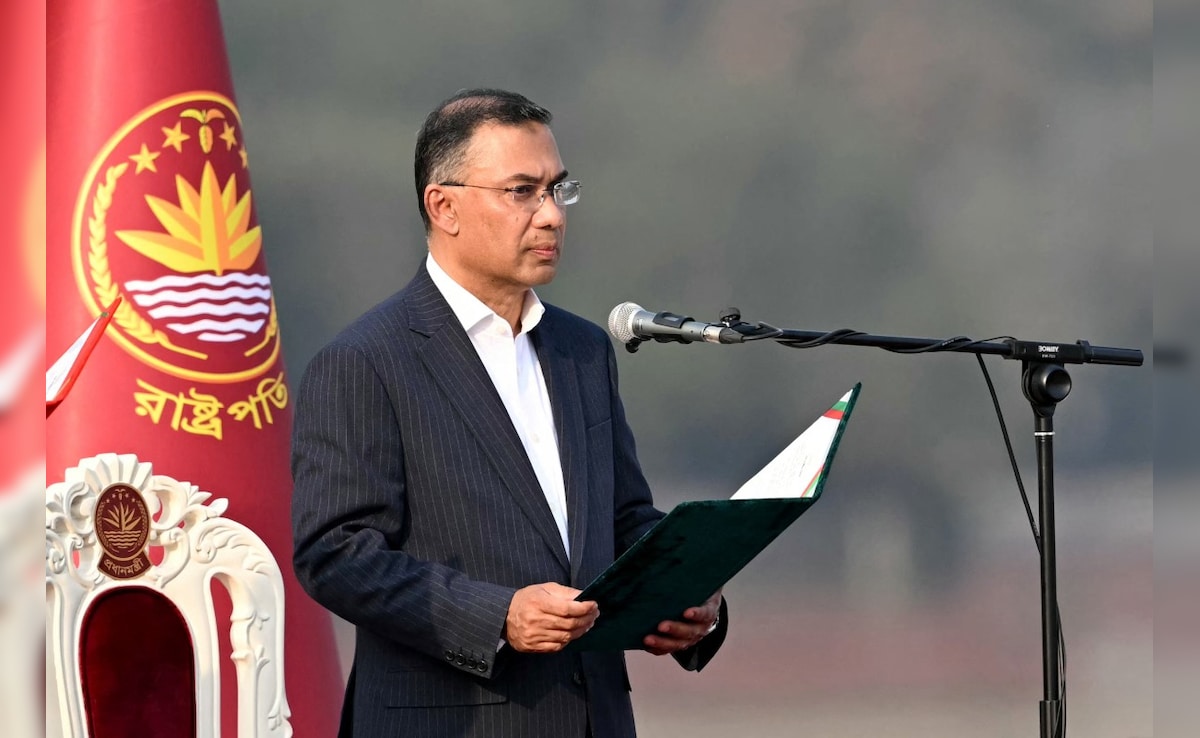
You don’t have permission to access “http://www.ndtv.com/world-news/bangladesh-parliament-reconvenes-first-time-since-2024-uprising-polls-11204268” on this server.

Reference #18.adf5d217.1773307012.f8243308

https://errors.edgesuite.net/18.adf5d217.1773307012.f8243308


Source link

Suryakumar Yadav reveals he apologised to Axar Patel after T20 World Cup snub: ‘He was very angry’ | Cricket News


‘He was very angry’: Suryakumar Yadav reveals he apologised to Axar Patel after T20 World Cup snub
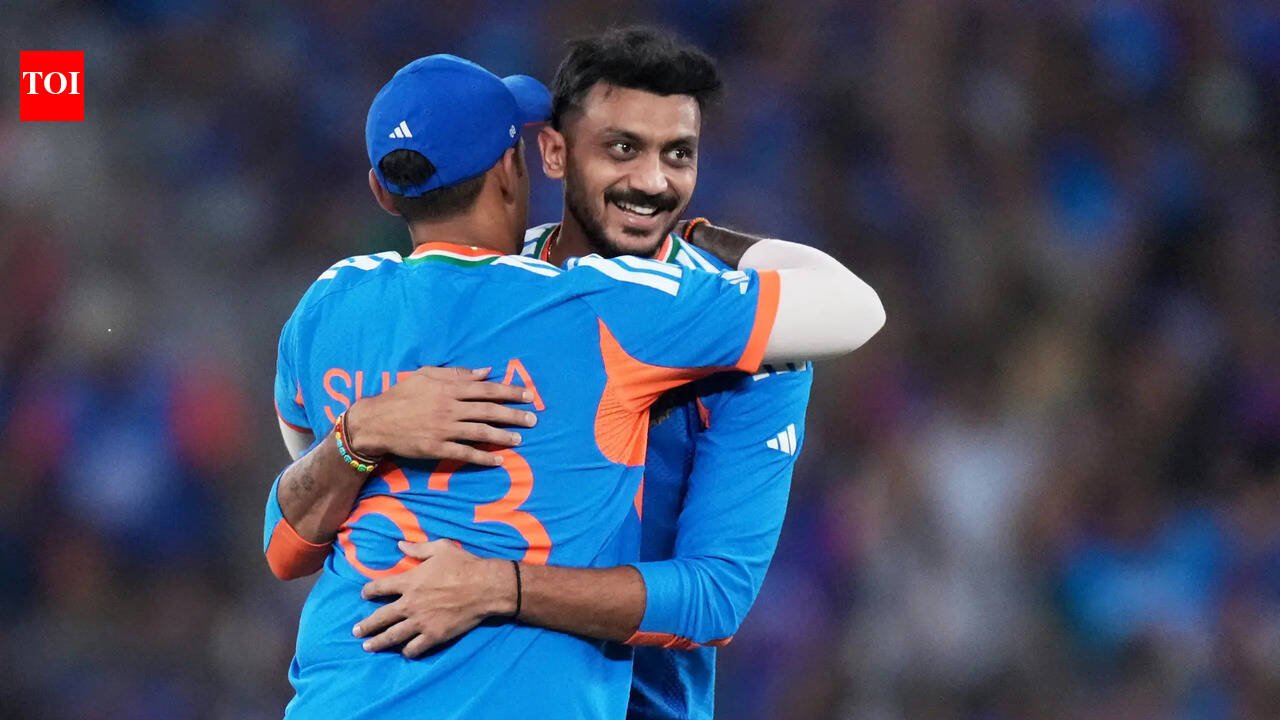
Axar Patel, right, with captain Suryakumar Yadav. (AP Photo)

NEW DELHI: India captain Suryakumar Yadav has revealed that vice-captain Axar Patel was “very angry” after being dropped from the playing XI during India’s victorious campaign at the 2026 ICC Men’s T20 World Cup.Go Beyond The Boundary with our YouTube channel. SUBSCRIBE NOW!Axar, a key member of India’s white-ball setup, was left out of two of the nine matches India played on their way to lifting the trophy for a record third time. Both omissions came in Ahmedabad, including the crucial Super 8 clash against South Africa — a match India lost by 76 runs.The decision drew criticism from fans and experts, while the team management insisted it was a tactical call, Suryakumar admitted the move did not sit well with Axar.

Suryakumar Yadav receives grand homecoming after India’s T20 World Cup win

“He was very angry, and he should have been. He’s an experienced player, he leads a franchise. He should be angry. I apologised. I told him I made a mistake and I’m sorry, but it was a call taken for the team,” Suryakumar told The Indian Express.The India captain acknowledged that it was not an easy conversation with the all-rounder.“It was a hard conversation. He took it in his stride and we talked it through the next day,” he added.Despite the setback, Suryakumar said the heavy defeat to South Africa became a crucial turning point in India’s campaign.“India vs South Africa was the eye-opener. I never had any doubt in this team, but it tightened our screws. After that there was no option of coming back,” he said.The skipper explained that the team began treating every remaining game as a knockout.“For us, Zimbabwe was a pre-quarter-final. West Indies was the quarter-final. Then the semis and the final. We had to play every game like a knockout,” Suryakumar added.India responded emphatically after the loss, winning their remaining Super 8 matches before defeating England in the semi-final and New Zealand in the final.


Source link

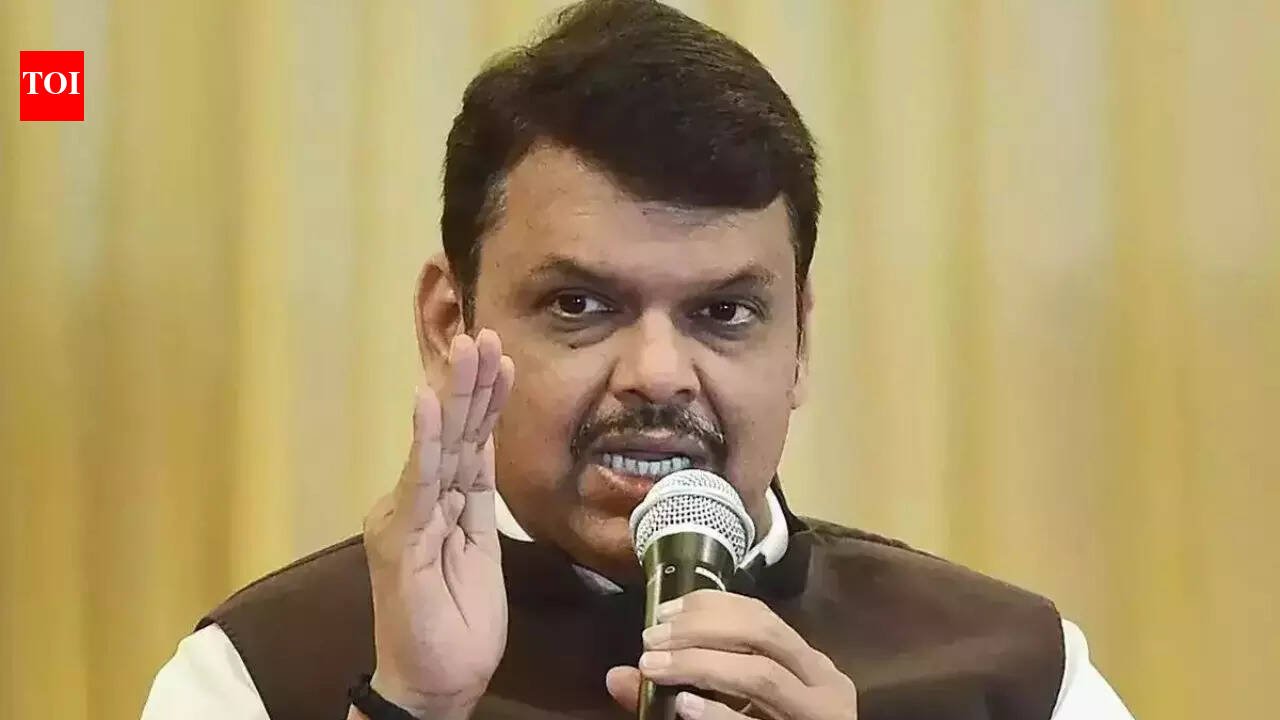
Devendra Fadnavis pitches new chemical policy, plug-and-play hubs to make Maharashtra global chemicals hub | Mumbai News


Maharashtra to frame new chemical policy, says Fadnavis (File Photo)

MUMBAI: Chief minister Devendra Fadnavis on Tuesday proposed a dedicated policy for the chemical industry and the creation of plug-and-play manufacturing hubs as part of a roadmap to position Maharashtra as a global chemicals hub.Speaking at a CEO roundtable organised by the Indian Chemical Council (ICC) during the India Chemical Industry Outlook Conference in Mumbai, Fadnavis interacted with more than 100 CEOs from Indian and multinational chemical and petrochemical companies.

Devendra Fadnavis Says BJP Created History in Maharashtra Civic Elections

The chief minister said the state’s chemical sector already contributes nearly 10% to Maharashtra’s industrial GDP and assured industry leaders that the govt would actively support its growth through policy interventions and infrastructure development. He proposed that the state govt work with ICC to formulate a new policy defining the future of the sector, including the creation of chemical parks, improved infrastructure and a clear investment roadmap.Fadnavis also suggested developing plug-and-play chemical manufacturing hubs modelled on facilities such as those at Dahej in Gujarat. He stressed the need for stronger industry–academia collaboration for skill development, proposing partnerships with institutions such as Institute of Chemical Technology and ITIs.The roundtable, moderated by ICC vice-president Samir Somaiah and additional vice-president Jayant Dhobley, focused on strengthening India’s global competitiveness in the chemicals sector, building resilient supply chains and accelerating the transition to sustainable manufacturing.A presentation by McKinsey & Company highlighted the strategic importance of the chemicals industry to India’s economic growth. Industry leaders at the meeting said India’s chemical sector is at a critical inflection point and has the potential to significantly expand its role in global value chains amid shifting geopolitical and supply-chain dynamics.Participants underlined the need for policy stability, reliable feedstock supply, research and innovation, and stronger industry–government collaboration to unlock the sector’s growth potential.ICC president Ramya Bharathram said platforms such as the CEO roundtable enable meaningful dialogue between policymakers and industry leaders and help shape a shared roadmap for the sector’s future.The annual conference organised by ICC brings together policymakers, global CEOs, technology providers and industry experts to discuss the outlook and emerging opportunities for the chemical industry.


Source link

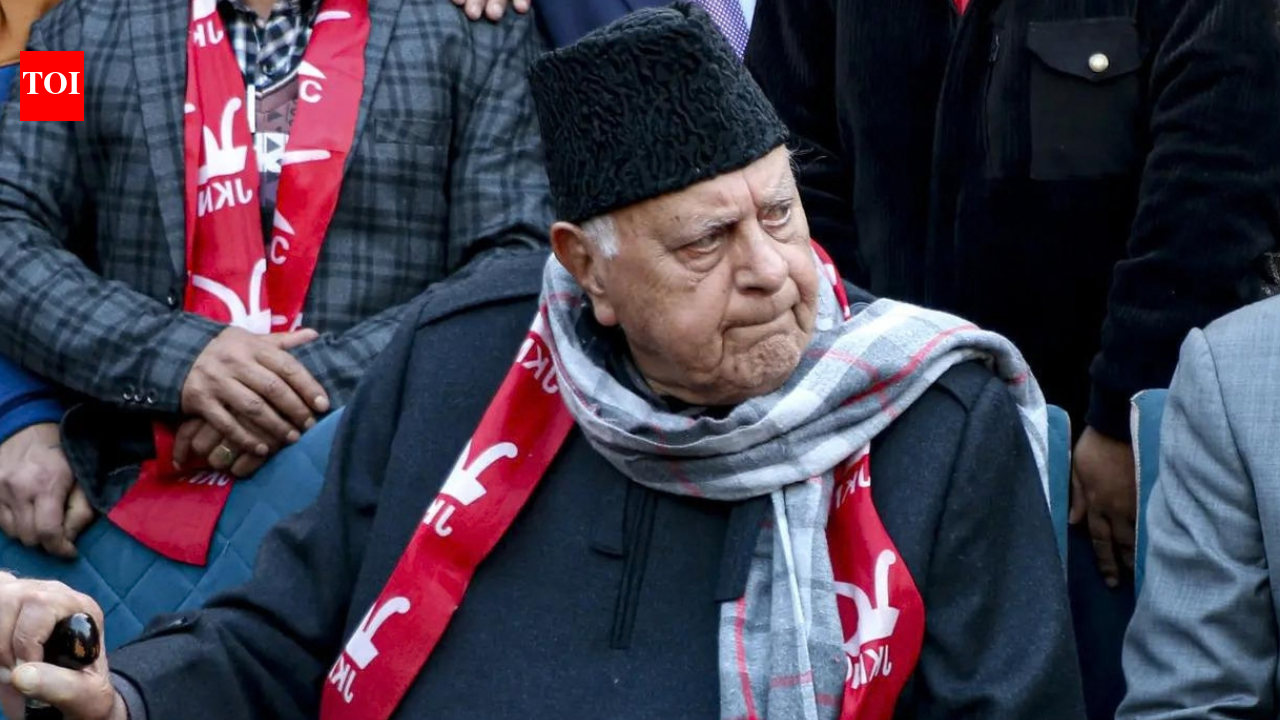
Farooq Abdullah’s first reaction after assassination attempt: ‘The killer always has an advantage’ | India News


Farooq Abdullah's first reaction after assassination attempt: 'The killer always has an advantage'
Farooq Abdullah (PTI file photo)

NEW DELHI: After an attempt on his life, former Jammu and Kashmir chief minister and National Conference president Farooq Abdullah on Thursday reflected on the incident, saying, “God saved me.”Sharing brief details about the tense moments at a wedding function in Jammu’s Greater Kailash area, NC chief told reporters, “I was walking out of the venue when I heard the sound of a firecracker. Immediately, I was rushed into a car. Later, I was told that there was a man with a pistol who had fired two shots. Neither do I know this man (the accused), nor do I have any information about him.”Farooq further said, “I don’t know what his (accused Kamal’s) intention was. To say it was a security lapse would be a big statement to make. Many big personalities were present at this wedding, but there was no police present. By Allah’s grace, my security was present with me, and my life was saved. I did get a call (from the Union Home Minister) who asked me about my well-being and assured me that they would investigate the matter. An inquiry should be done. Such things keep happening when there is a situation of hatred now…. No religion teaches hatred, but only to love…”He also reflected on the changed power dynamics in Jammu and Kashmir after the abrogation of Article 370, which turned the state into a Union Territory and brought law and order under the Centre’s direct control. He said, “The Central and the UT govt should see if the situation here is really improved. We might have differences of opinion, but we have to work together as we are a democracy and voice our opinions…”While talking to reporters, Farooq once again demanded the restoration of full statehood for Jammu and Kashmir. “An elected govt doesn’t have powers—how can it continue this way? We were promised that statehood would be restored…”“No matter how much security you increase, the killer always has an advantage. The problem is that we live in an era where terrorism is up in the sky, and we cannot control it,” he added.This was Abdullah’s first reaction after a 63-year-old man, Kamal Singh Jamwal, suddenly opened fire at the wedding venue, firing two rounds allegedly targeting the former chief minister and long-time National Conference leader.The tense situation was quickly brought under control by Abdullah’s security personnel, as seen in CCTV footage from the venue.Officials said that Farooq, accompanied by Jammu and Kashmir deputy chief minister Surinder Choudhary, was returning from a marriage function when the incident occurred.The suspect was quickly overpowered and detained at the spot, preventing any harm to the leaders.Farooq Abdullah’s son and Jammu and Kashmir CM Omar Abdullah took to social media to inform about the “very close shave” during the function and raised questions about possible security lapses.“Allah is kind. My father had a very close shave. The details are sketchy at the moment but what is known is that a man with a loaded pistol was able to get within point blank range & discharge a shot. It was only the close protection team that deflected the shot & ensured that the assassination attempt failed. There are more questions than answers at the moment including but not limited to how someone was able to get this close to a Z+ NSG protected former CM,” Omar Abdullah said in a post on X.


Source link

iQoo Z11x 5G with 7,200 mAh battery, 50MP camera launched in India: Price, specs and more |


iQoo Z11x 5G with 7,200 mAh battery, 50MP camera launched in India: Price, specs and more

iQoo Z11x 5G smartphone is here. iQoo has expanded its Z series of smartphone in India with the launch of iQoo Z11x 5G smartphone. The smartphone is powered by a MediaTek chipset and houses a 7,200 mAh battery. It also comes with IP68 & IP69+ dust and water resistance and military-grade durability, and features a 50 MP Sony AI-powered main camera with 4K video recording on both front and rear cameras. Running on OriginOS 6, the iQOO Z11x supports AI features along with 2 years of OS updates and 4 years of security updates.

iQoo Z11x 5G: Price and availability

The iQOO Z11x is priced at INR 18,999 (Net Effective Price: INR 17,499) for the 6 GB + 128 GB variant, INR 20,999 (Net Effective Price: INR 18,999) for the 8 GB + 128 GB variant, and INR 22,999 (Net Effective Price: INR 20,999) for the 8 GB + 256 GB variant. Available in two elegant colour options – Prismatic Green and Titan Black. The sale will start from 16th March 2026 at 12 noon on Amazon.in, iQOO.com, select vivo exclusive stores, and retail stores. Customers can avail the following offers on the purchase of iQOO Z11x:* Up to INR 2,000 Instant Discount on select SBI and Axis credit cards* Up to 6 months no cost EMI

iQoo Z11x 5G specifications

iQoo Z11x 5G comes with a 6.76-inch full HD+ display with 1080×2408 pixel resolution. The screen offers 120Hz refresh rate and up to 1200 nits peak brightness levels. The smartphone is powered by an octa-core MediaTek Dimesnity 7400 chipset.iQoo Z11x 5G three variants — 6GB+128GB, 8GB+128GB and 8GB+256GB. The dual SIM smartphone runs Android 16 operating system topped with company’s own layer of OriginOS 6. The smartphone features a 50MP main camera f/1.8 aperture and 2MP depth sensor with f/2.4 aperture. There’s also a 32MP selfie shooter with f/2.45 aperture.The device supports 4K recording at 30 FPS on both the front and rear cameras, along with Video Electronic Image Stabilization (EIS) for smoother footage. Users can switch between the front and rear cameras while recording, while creative tools such as Dual-View Video, 4K video–to–Live Photo conversion, and video frame cropping enable more engaging storytelling and vlogging. iQoo Z11x comes with military grade certification and the IP68+IP69 rating makes it resistant to dust and water. iQoo Z11x is backed by a 7,200 mAh battery. Complementing the large battery is a 44W FlashCharge, enabling quick power top-ups with 10 minutes of charging delivering up to 6 hours of talk time, while the device can charge from 1% to 50% in just 43 minutes and 1% to 100% in 91 minutes.


Source link