Breaking News
IPL 2026: Irfan Pathan appreciates LSG’s support for young talent


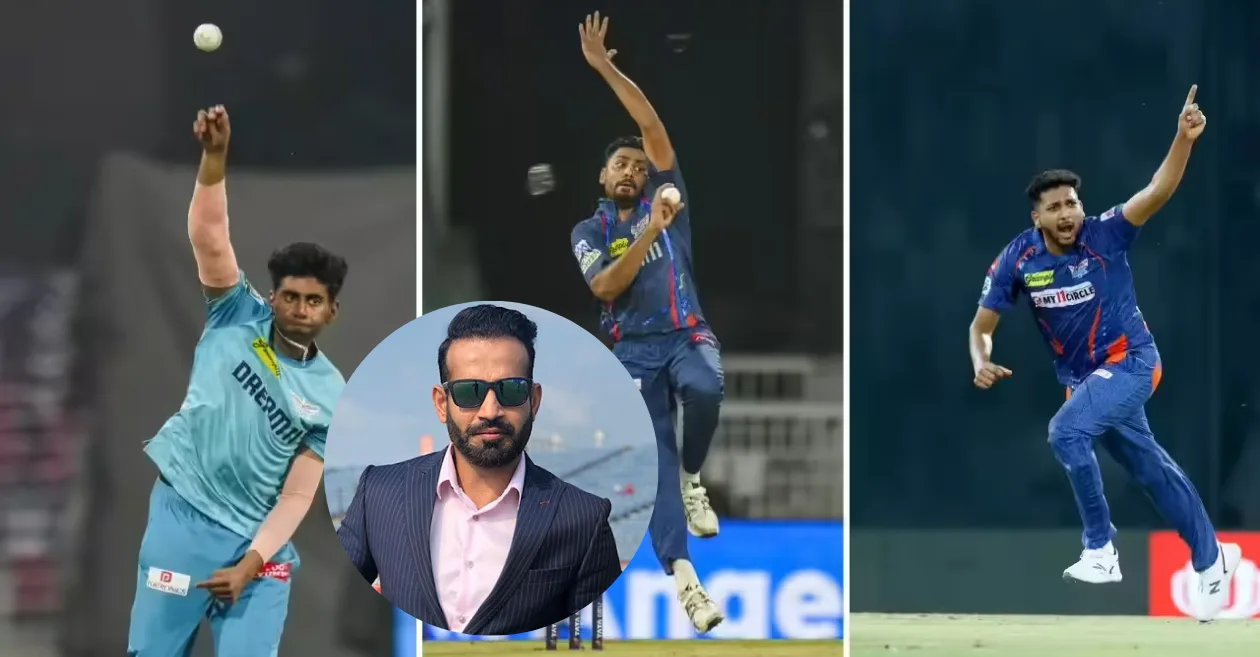
Lucknow Super Giants (LSG) have never been the kind of franchise that makes the loudest noise before a season begins. They go about their business quietly, build their squad thoughtfully, and generally let the cricket do the talking. Heading into IPL 2026, one decision in particular has caught the attention of former India all-rounder Irfan Pathan, and he has not held back with his thoughts on it.

LSG open their IPL 2026 campaign on April 1 against Delhi Capitals at the Ekana Cricket Stadium in Lucknow, and as they prepare for that opener, the spotlight is firmly on two young Indian fast bowlers who have had anything but a smooth ride over the past couple of seasons.

Why Irfan Pathan feels LSG’s approach is different?

Pathan pointed out that not every team shows such patience. According to him, LSG’s decision to stick with these young Indian pacers is rare and commendable, especially when the team already has strong overseas batting options like Mitchell Marsh, Aiden Markram, and Nicholas Pooran. He stressed that the onus is now on the bowlers to make the most of this support.

“Mayank Yadav has played six matches in two years, it is not enough. He is a retained player. He has to be available this year. If there is no place for him in the team, then that is a separate thing. The franchise has supported him. Mohsin Khan missed last year entirely, and even in the seasons before, he has not played all the games. But they have been backed; no other franchise does this. I have seen KKR and MI do it, but many franchises run out of patience after one or two seasons,” Pathan said on his YouTube channel.

Also READ: Irfan Pathan unveils his Lucknow Super Giants’ playing XI for the IPL 2026

A clear challenge for the young pacers

With LSG relying heavily on Indian seamers alongside experienced names like Mohammad Shami and Avesh Khan, young pacers Mohsin Khan and Mayank Yadav carry a big responsibility to step up and justify the franchise’s backing.

Beyond the two retained pacers, LSG also have Prince Yadav and Naman Tiwari as part of the bowling options, giving Rishabh Pant reasonable depth. But Mayank’s pace, which made him a talking point when he first appeared, has everyone eager to see him back in full flow.

If both pacers can stay fit and perform at their best, LSG could surprise a few teams this season. That is exactly what the franchise hoped to achieve by backing them.

Also READ: IPL 2026: Lalit Modi labels LSG owner Sanjeev Goenka ‘clown’ over his reaction to RR and RCB’s record acquisition deal


Source link

FanCode, Genius Sports make contrast bids for ISL, Federation Cup commercial rights; Capri Sports sole bidders for IWL, IWL 2 | Football News


FanCode, Genius Sports make contrast bids for ISL, Federation Cup commercial rights; Capri Sports sole bidders for IWL, IWL 2
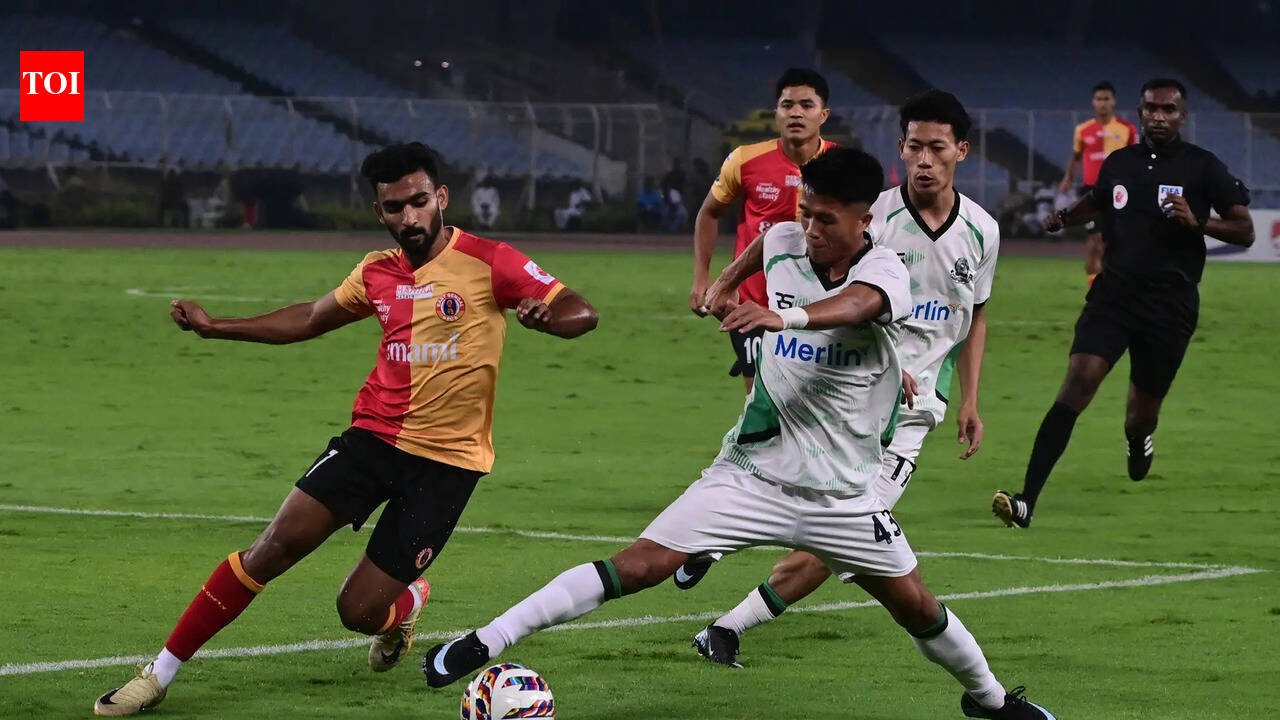
ISL football match between East Bengal FC and Mohammedan Sporting Club (PTI Photo)

New Delhi: Dream11-owned FanCode and Genius Sports have emerged as the two bidders for commercial rights of the Indian Super League (ISL) and Federation Cup on a 15+5 year model that was floated earlier this month. Capri Sports, subsidiary of Capri Global, is the only party interested in rights for the Indian Women’s League (IWL) and IWL 2.After a long day where the tender document was presented to the 14 ISL clubs for the first time and the three bids were evaluated on the basis of their technical and financial aspects, it was back to the drawing board for all involved. Genius Sports, the official data feed provider for the English Premier League, the Championship, and the Scottish league, made a bid of Rs 2129 crore over 20 years. Beyond being a data provider, Genius Sports’ technology is also used for real-time betting odds. This could prove a hurdle at a later stage as betting is illegal in India.FanCode, meanwhile, went with a more pragmatic approach of Rs 36 crore each year with 5 percent increments, amounting to approximately Rs 1190 crore, nearly half of what Genius Sports bid. The AIFF and the ISL clubs will now reconvene over the next couple of days to mull over the specifics of the tender document and the bids. One club that Timesofindia.com spoke to said the decision would take a few days.Capri Sports are the only contenders for the IWL and IWL 2 having made a bid of Rs 150 crore over 20 years. GMR Sports, which had attended the pre-bid meeting, didn’t make a bid in the end. It is understood that the entity behind multiple sporting ventures, including IPL’s Delhi Capitals, had asked for more time but that was not agreed to by the AIFF. The Indian football federation had already pushed the bid due date from March 20 to March 26. As far as the tender is concerned, it would go beyong the media rights. It would entail sponsorship, advertising, digital and data initiatives, merchandising, and event-linked commercial opportunities — creating a long-term deal that consolidates the full commercial ecosystem of Indian club football.During the initial stages, AIFF had introduced a strict eligibility requirement: companies had to purchase the Request for Proposal (RFP) for Rs 2.5 lakh, and only those entities were allowed to submit bids.


Source link

Avalanches at Zoji La pass: 7 killed, 5 injured in Ladakh; Srinagar-Leh highway blocked | India News


Avalanches at Zoji La pass: 7 killed, 5 injured in Ladakh; Srinagar-Leh highway blocked

NEW DELHI: At least seven people were killed and several others were injured after an avalanche struck Zoji La in Ladakh on Friday.The avalanche also blocked the Srinagar-Leh highway, affecting movement in the area.Rescue and relief efforts are underway following the incident.Ladakh’s lieutenant governor in a post on X said, “Heard the unfortunate news of an avalanche at Zoji La. I have directed the DC & SSP of Kargil to visit the spot immediately and mobilise relief and rescue operations. All government agencies including disaster relief forces and BRO have been put on high alert. I am personally monitoring the situation.”J&K CM office also expressed deep sorrow over the tragic loss of lives and extended heartfelt condolences to the bereaved families and prayed for the speedy recovery of the injured.


Source link

Access Denied


Access Denied

You don’t have permission to access “http://www.ndtv.com/feature/empty-office-at-4-30-pm-indian-techie-highlights-swedens-work-culture-11275625” on this server.

Reference #18.adf5d217.1774626477.32142b2a

https://errors.edgesuite.net/18.adf5d217.1774626477.32142b2a


Source link

India-US trade deal update: Piyush Goyal meets USTR Jamieson Greer, discusses next steps in BTA talks


India-US trade deal update: Piyush Goyal meets USTR Jamieson Greer, discusses next steps in BTA talks

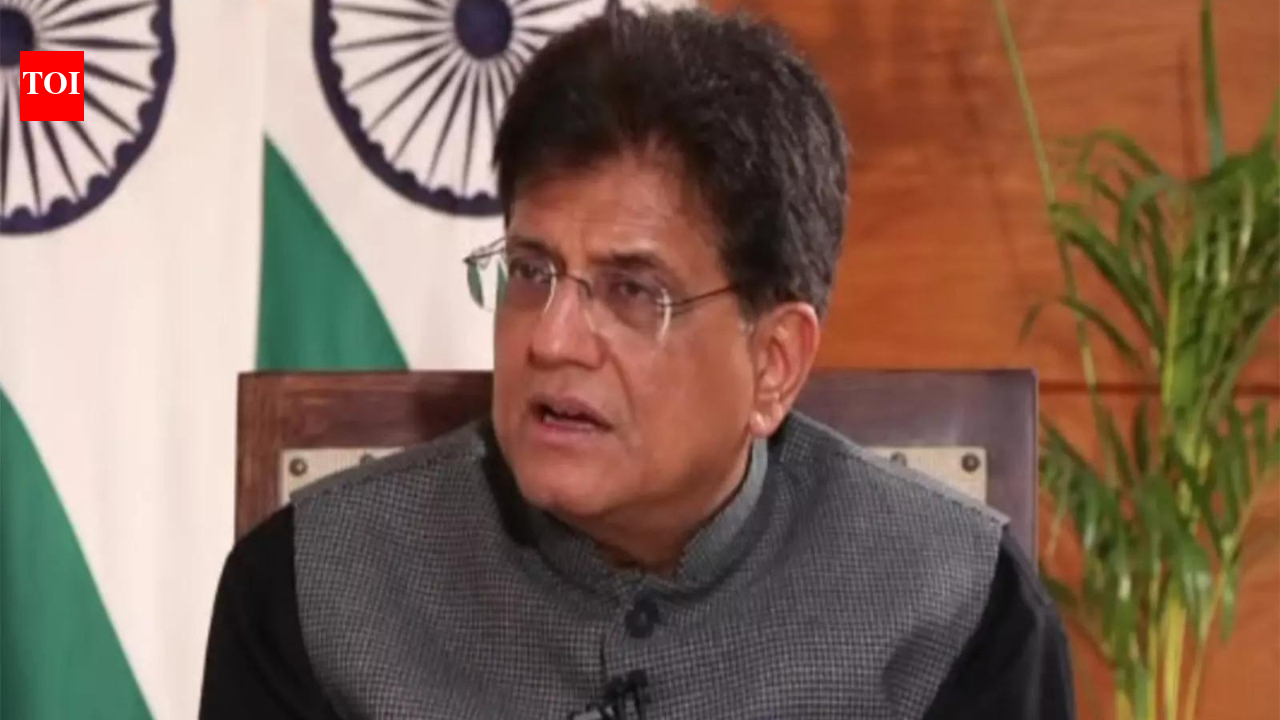
Commerce and industry minister Piyush Goyal on Friday met US Trade Representative Jamieson Greer and reviewed the next steps in negotiations for the proposed India-US bilateral trade agreement (BTA).The meeting took place on the sidelines of the 14th ministerial conference (MC14) of the World Trade Organisation in Yaounde, Cameroon, where both sides also exchanged views on issues related to the WTO agenda.“Had a very productive discussion with @USTradeRep Jamieson Greer on the sidelines of the WTO Ministerial Conference. Exchanged views on the #WTOMC14 agenda, next steps in the India-US BTA negotiations and explored ways to further deepen our economic cooperation and bilateral trade ties,” Goyal said in a social media post.The development comes amid ongoing efforts by both countries to finalise an interim trade pact. Last month, India and the US announced that they had finalised a framework for the first phase of the agreement, though it is yet to be signed.The two sides had earlier announced a trade deal on February 2, followed by a joint statement on February 7 outlining the contours of the agreement.As part of the framework, the US had agreed to reduce tariffs on Indian goods to 18%. However, the tariff structure has since undergone changes after the US Supreme Court struck down sweeping tariffs imposed under earlier measures.Following the ruling, US President Donald Trump introduced a 10% tariff on all countries for a period of 150 days starting February 24.In view of these developments, a planned meeting between chief negotiators of India and the US — aimed at finalising the legal text of the agreement — has been postponed. The pact was earlier expected to be signed this month.An official had earlier said that the interim trade agreement would be signed once the new global tariff framework of the US is fully in place.


Source link

China masses over 200 J-6 ‘drones’ near Taiwan as US-Iran war escalates


China masses over 200 J-6 'drones' near Taiwan as US-Iran war escalates

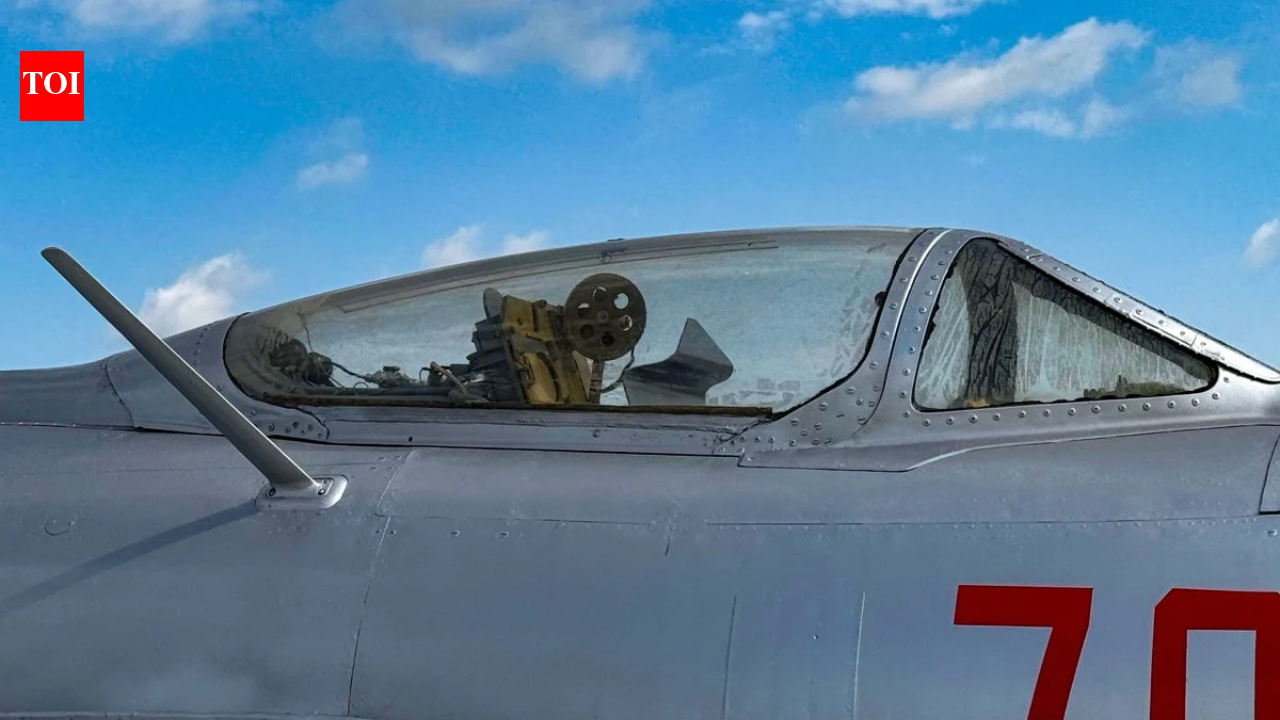
China has stationed converted fighter jets, now repurposed as attack drones, at multiple air bases close to the Taiwan Strait, according to a new report, in what analysts see as a significant shift in Beijing’s warfighting posture around Taiwan.Satellite imagery reviewed by the Mitchell Institute for Aerospace Studies shows rows of ageing J-6 aircraft positioned across at least six bases in Fujian and Guangdong provinces. These aircraft, originally designed in the 1960s, have been modified into unmanned systems and are now being deployed as part of China’s expanding drone arsenal.Senior fellow J Michael Dahm said the People’s Liberation Army has deployed an estimated 200 or more such platforms near the strait. These jets-turned-drones are not designed for traditional air combat but for saturation attacks. “They will attack Taiwan, U.S. or allied targets in large numbers, effectively overwhelming air defenses,” Dahm said.The development comes at a time of widening global instability, with conflicts in West Asia and maritime chokepoints adding to the sense of a fragmented and strained international order.

Global disruptions from Iran to the Red Sea reshape strategic timing

China’s moves near Taiwan are unfolding against the backdrop of escalating tensions in the Middle East, particularly around the Strait of Hormuz and the Red Sea, both critical arteries of global trade.Iran’s recent actions to restrict access through the Strait of Hormuz have sent oil prices soaring and disrupted global energy flows. The strait, through which nearly a fifth of the world’s oil passes, has become a pressure point after clashes involving the United States and Israel. Analysts warn that securing Hormuz is far more complex than past operations in the Red Sea, where efforts to counter Houthi attacks proved costly and only partially effective.“There is no substitute for the Strait of Hormuz,” Kuwait Petroleum CEO Sheikh Nawaf Saud Al-Sabah said, underlining the global stakes.The Red Sea crisis offers a cautionary precedent. Despite sustained military operations, Western forces struggled to fully secure shipping lanes against drones, missiles, and asymmetric attacks. Experts say Iran, with a more advanced military and geography favouring defence, presents an even greater challenge.This broader disruption matters for East Asia. As Western military and strategic focus stretches across multiple theatres, it potentially creates windows of opportunity elsewhere. Beijing appears to be factoring this into its evolving Taiwan strategy.

Turning old jets into new weapons

At the centre of China’s latest deployment is the transformation of obsolete aircraft into expendable attack platforms.The J-6 fighter, derived from the Soviet-era MiG-19, once formed the backbone of China’s air force. Now retired from frontline service, hundreds of these aircraft have been converted into drones, designated J-6W.These systems are not typical remotely piloted drones. Instead, they are closer to cruise missiles in concept. Stripped of their original equipment, fitted with automated flight control systems and terrain-following navigation, they are designed to fly into targets in large numbers during the opening phase of a conflict.Dahm estimates that more than 500 such aircraft may have been converted, with a significant portion now positioned near Taiwan. Their role is straightforward: overwhelm defences through sheer volume.“They would be used more like cruise missiles than autonomous or remote-controlled unmanned aerial vehicles,” Dahm said.

The logic of saturation warfare

The deployment reflects a broader shift toward what military analysts describe as saturation warfare.Rather than relying solely on advanced, high-cost platforms, China appears to be investing in large numbers of relatively inexpensive systems that can strain and exhaust enemy defences. In a Taiwan scenario, these drones would likely be part of a multi-layered assault involving ballistic missiles, cruise missiles, advanced fighter jets, and modern unmanned systems.Peter Layton, a visiting fellow at Griffith University, described the potential scenario as overwhelming. “There would be a lot of diverse things all coming at the same time,” he said. “It would be an air defense nightmare.”The objective is not necessarily precision in the first wave, but disruption. By forcing Taiwan and its allies to expend costly interceptor missiles on relatively cheap drones, China could degrade defensive capacity early in a conflict.A senior Taiwanese security official echoed this concern, noting that such drones are intended “to exhaust Taiwan’s air defense systems in the first wave of an attack.”

Cost asymmetry and the economics of war

One of the most significant aspects of this strategy is cost asymmetry.Modern air defence systems rely on expensive interceptor missiles, often costing millions of dollars per unit. In contrast, converted drones like the J-6W are far cheaper, especially since they repurpose existing airframes.This creates a dilemma for defenders. Shooting down each incoming drone with high-end missiles is financially unsustainable in a prolonged conflict. Yet allowing even a few to get through could result in significant damage to critical infrastructure.“This is a form of asymmetric warfare that cannot be ignored,” Taiwan’s defence research bodies have warned.The experience of the war in Ukraine and ongoing conflicts in the Middle East has reinforced this lesson. Drones, particularly when deployed in large numbers, can overwhelm even sophisticated defence systems.

Why Taiwan remains central to Beijing’s strategy

Beijing considers Taiwan a breakaway province and has not ruled out the use of force to bring it under its control. Taiwan, however, rejects these claims, maintaining that its future should be decided by its people.The strategic importance of Taiwan goes beyond political symbolism. Its location in the western Pacific makes it a key node in regional security architecture, particularly in relation to US alliances in Asia.Control over Taiwan would significantly alter the balance of power in the region, giving China greater access to the Pacific and potentially constraining US military operations.Recent assessments have offered mixed signals about Beijing’s timeline. While some US intelligence estimates suggest China is not currently planning an invasion by 2027, Pentagon assessments indicate that China aims to be capable of conducting and winning such a conflict within that timeframe.

A layered and evolving airpower mix

The J-6 drones are only one component of China’s broader military modernisation.Beijing is simultaneously investing in advanced unmanned systems, including stealth drones capable of operating from aircraft carriers. It is also expanding its arsenal of ballistic and cruise missiles, as well as modern fighter aircraft.The integration of older, converted platforms with cutting-edge systems reflects a layered approach to warfare. Each element serves a specific role, from initial saturation attacks to precision strikes and sustained operations.Military analysts say China is also experimenting with deception tactics using drones, potentially rehearsing elements of a Taiwan conflict.

Vulnerabilities and risks

Despite their potential advantages, the deployment of these drones is not without risks.The airbases hosting them, located close to the Taiwan Strait, are themselves vulnerable to counter-attacks. In a conflict, Taiwan and its allies could target these facilities early, attempting to neutralise the threat before the drones are launched.Moreover, while effective in large numbers, these converted drones lack the sophistication of newer systems and may be more susceptible to advanced countermeasures.Still, their value lies not in survivability, but in expendability.

A signal beyond Taiwan

China’s actions near the Taiwan Strait are not occurring in isolation. They are part of a broader recalibration of strategy in a world where multiple crises are unfolding simultaneously.From the Strait of Hormuz to the Red Sea, the global order is under strain. Supply chains are disrupted, military resources are stretched, and geopolitical rivalries are intensifying.In this environment, Beijing appears to be positioning itself to take advantage of shifting dynamics.Amid a disrupted global order, China is not merely reacting. It is adapting, experimenting, and preparing.The deployment of jets-turned-drones near Taiwan is a signal of that intent. It reflects a strategy that blends old platforms with new thinking, leveraging scale, cost, and timing to reshape the battlefield.Whether this remains a posture of deterrence or evolves into something more consequential will depend on how the broader geopolitical landscape continues to unfold.


Source link

Dhurandhar 2: Did Ranveer Singh’s character Jaskirat smoke while wearing a turban in ‘Dhurandhar 2’? Aditya Dhar clarifies |


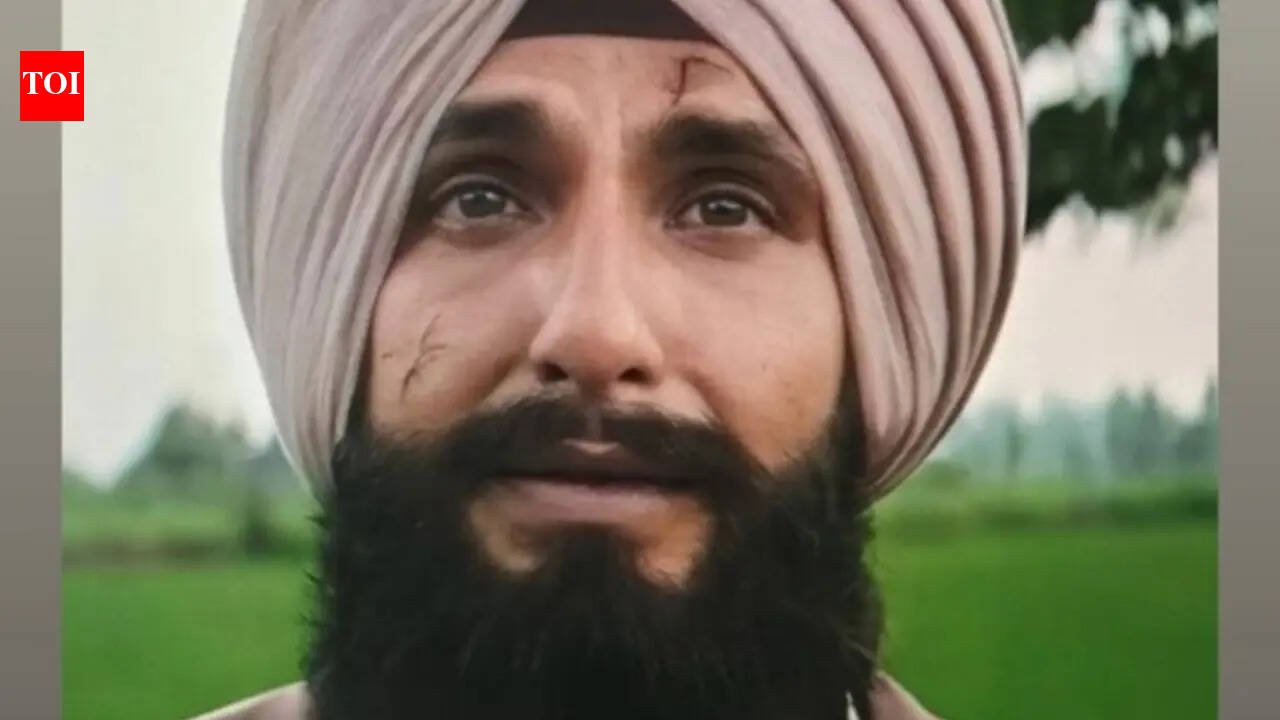
Aditya Dhar’s ‘Dhurandhar: The Revenge’, starring Ranveer Singh, R Madhavan and others continues its phenomenal run at the global box office. However, amid its success, the film has landed in controversy after an image allegedly showing Ranveer smoking while wearing a turban went viral on social media, sparking outrage and hurting sentiments. The Sikh community filed an FIR against the team for this, and also alleged that Madhavan was scene reciting lines from Guru Govind dasam granth. Dhurandhar 2 Movie ReviewAddressing the issue, Aditya Dhar shared a detailed clarification, stating that the viral visuals are not authentic but digitally manipulated. “I am deeply grateful & indebted for the overwhelming love that Dhurandhar The Revenge has received from audiences across the country and the world. However, it has come to my attention that certain individuals are circulating manipulated visuals, by morphing officially released promotional material using artificial intelligence to create false and misleading narratives,” reads his note.

Watch

‘Dhurandhar 2’ Earns Praise from Vicky, Kangana, Vivek at International Film Festival Delhi 2026

He specifically responded to the image involving Ranveer’s character, Jaskirat Singh Rangi, also known as Hamza Ali Mazari and dismissed it as fake. “This is completely untrue and does not form part of the film or any official material released by us. It is a deliberate act of misrepresentation intended to provoke and create mischief,” wrote Aditya.Reaffirming his stance, the filmmaker added, “Let me state this unequivocally: I hold the highest respect for the Sikh community, and every portrayal in the film has been handled with utmost sensitivity, dignity, and responsibility. Any attempt to suggest otherwise through any doctored content is malicious and dishonest.”Concluding his statement, he urged viewers to trust only verified sources and not be misled by such content. “I urge audiences to rely only on official content and watch the film as it is intended, and not fall prey to AI-generated misinformation being circulated with ulterior motives. Such acts will be dealt with firmly.”R Madhavan also has addressed the controversy after the Sikh community filed an FIR. In a video shared on social media, he explained that there may have been a misunderstanding regarding the scene. He said, “Dhurandhar ke pure parivar ke taraf se aapko bohot dhanyawaad ke aapne hamari film ko itna pyaar diya. Haal hi mein mujhe pataa chala hai ke kuch logon ko iss baat se takleef pahunchi hai ke Guru Govind ke dasam granth se kuch lines bolte waqt maine cigarette smoke ki hai aur isse un logon ko takleef pahunchi hai. Main aapko batana chahta hu ke yeh bilkul sahi nahi hai. Thodi galat faimi hai kyunki mujhe pura yakeen hai iss scene ke daruan aur bolte huye, Aditya Dhar ji ne joh ki mujhse zyada dhyaan rakhte hai in sab cheezon ka. Unhone kahaa tha mujhse ke yeh line bolte waqt aap cigarette bujha dijiyega aur naahi screen mein dhuaan dikhaaye dega aur naahi aapke haath mein cigarette hogi kyunki yeh hamare liye paak aur Pavitra hai. Maine bakaayda cigarette bujha diya tha aur naahi mere munh se dhuaan hai aur naahi pure scene mein cigarette ka naam o nishaan hai. (On behalf of the entire Dhurandhar team, I sincerely thank you for giving our film so much love. Recently, I came to know that some people were hurt by the perception that I was smoking a cigarette while reciting lines from Guru Gobind Singh’s Dasam Granth. I want to clarify that this is absolutely not true. There seems to be a misunderstanding because I am certain that during this scene, while delivering those lines, Aditya Dhar—who is even more mindful about such matters than I am—had clearly instructed me to put out the cigarette. He ensured that there would be no smoke visible on screen and that I would not be holding a cigarette while reciting those lines, as they are sacred and pure for u. I had properly extinguished the cigarette, and there is no smoke coming from my mouth, nor is there any trace of a cigarette in the entire scene).”


Source link

Gujarat Titans IPL 2026 Full Schedule: Date, Time & Venues of GT matches


Gujarat Titans (GT) head into IPL 2026 with a balanced schedule that combines a challenging start, strong home advantage, and key tactical phases throughout the season. Their campaign begins on March 31 with an away fixture against Punjab Kings (PBKS) at the Maharaja Yadavindra Singh International Cricket Stadium in New Chandigarh. This opening match, set for a 7:30 PM start, will immediately test the Titans against a competitive side in unfamiliar conditions.

After the opener, the focus quickly shifts to their home base – the Narendra Modi Stadium in Ahmedabad. GT will play seven matches at this venue, which has become a fortress for the franchise over the years. Their first home game comes against Rajasthan Royals (RR) on April 4, followed by a busy and crucial home stretch in late April and early May. During this period, they will face top teams like Kolkata Knight Riders (KKR), Mumbai Indians (MI) and Chennai Super Kings (CSK). This run of home games could play a decisive role in shaping their campaign, as strong performances in familiar conditions often build momentum and confidence.

On the leadership front, Shubman Gill continues as captain, guiding a squad that blends youth and experience. He will be supported by head coach Ashish Nehra, with Matthew Hayden joining the setup as batting coach. The squad itself looks strong and well-rounded, featuring match-winners like Rashid Khan, Jos Buttler, Mohammed Siraj, Kagiso Rabada and Rahul Tewatia.

With the league stage running from March 28 to May 24, GT have a clear opportunity to build momentum through their home fixtures while managing key away challenges. If they can strike the right balance and maintain consistency, they will once again be among the strong contenders for the IPL 2026 playoffs.

Also READ: IPL 2026 – Matthew Hayden picks Gujarat Titans star worthy of his iconic mongoose bat

GT IPL 2026 Full Schedule

  • March 31 – Punjab Kings vs Gujarat Titans – New Chandigarh – 7:30PM IST
  • April 4 – Gujarat Titans vs Rajasthan Royals – Ahmedabad – 7:30PM IST
  • April 8 – Delhi Capitals vs Gujarat Titans – Delhi – 7:30PM IST
  • April 12 – Lucknow Super Giants vs Gujarat Titans – Lucknow – 3:30PM IST
  • April 17 – Gujarat Titans vs Kolkata Knight Riders – Ahmedabad – 7:30PM IST
  • April 20 – Gujarat Titans vs Mumbai Indians – Ahmedabad – 7:30PM IST
  • April 24 – Royal Challengers Bengaluru vs Gujarat Titans – Bengaluru – 7:30PM IST
  • April 26 – Gujarat Titans vs Chennai Super Kings – Ahmedabad – 3:30PM IST
  • April 30 – Gujarat Titans vs Royal Challengers Bengaluru – Ahmedabad – 7:30PM IST
  • May 3 – Gujarat Titans vs Punjab Kings – Ahmedabad – 7:30PM IST
  • May 9 – Rajasthan Royals vs Gujarat Titans – Jaipur – 7:30PM IST
  • May 12 – Gujarat Titans vs Sunrisers Hyderabad – Ahmedabad – 7:30PM IST
  • May 16 – Kolkata Knight Riders vs Gujarat Titans – Kolkata – 7:30PM IST
  • May 21 – Chennai Super Kings vs Gujarat Titans – Chennai – 7:30PM IST

Note: IST= GMT+ 5:30 hrs

Also READ: SWOT analysis of Gujarat Titans – GT’s report card ahead of IPL 2026


Source link

‘Josh Hazlewood returns but…’: RCB coach gives key fitness update before SRH clash | Cricket News


‘Josh Hazlewood returns but…’: RCB coach gives key fitness update before SRH clash
Royal Challengers Bengaluru’s Josh Hazlewood (PTI Photo/Kamal Kishore)

Andy Flower has offered a balanced view on the much-debated Impact Player rule, calling it a positive addition to the Indian Premier League even as opinions remain divided within the cricketing fraternity. Ahead of Royal Challengers Bengaluru’s IPL 2026 opener against Sunrisers Hyderabad, Flower described the rule as an “interesting innovation” that adds a new tactical layer to the game. While prominent names like Shubman Gill and Rohit Sharma have criticised the rule for reducing the importance of all-round skills, Flower believes it enhances strategic decision-making. “I think it has been a good innovation, it’s interesting to be part of it. You’re making decisions on the impact player, and I think it’s interesting for the audience to debate what’s right and what’s wrong, so tactically it’s quite an interesting addition to the game,” Flower said. However, he also acknowledged that the rule comes with its own complications. According to Flower, one of the traditional challenges of cricket — balancing a playing XI — becomes slightly diluted. “I must say that one of the things I love about cricket is that when you select an 11, one of the challenges you have is balancing your 11 — the length of the batting order, balancing, perhaps, some guys that can’t field that well and it’s one of the things that makes selection a little bit tricky.” “The impact player rule hides that selection problem a little, so I think one of the great things about cricket is some of the debates around selection and when you select single-skilled players, you weaken another area of your game, the impact player can hide that, so there are pros and cons I think to it,” he added. From an RCB standpoint, team combination has been further complicated by the absence of key pacers. Josh Hazlewood, who was the franchise’s leading wicket-taker last season, has only just rejoined the squad after arriving in Bengaluru. “Hazlewood did arrive yesterday, he’s looking fit. I did comment to him that he looks even younger than I remember. So, he’s enjoyed some good downtime but he’s worked hard to get himself back up to full fitness, we’ve been liaising closely with Cricket Australia on his fitness. So, it’s great to have him in our dressing room and in the meetings.” “But he won’t be ready for tomorrow, he’s just got off the plane, but we’ll be monitoring his fitness very closely and looking forward to him making his entrance into the IPL,” Flower said. In the meantime, Flower expressed confidence in the available pace options stepping up in Hazlewood’s absence, especially with Yash Dayal also unavailable. “Yash is not with us unfortunately. So, we have Mangesh, Abhi and Rasik all competing for a place. We’re happy with recruiting Mangesh, a left-arm seamer to replace Yash. We’re also happy with Abhinandan’s progress, he’s bowled a lot more in matches just recently, played in the recent DYP competition.” “I think Rasik is a better bowler than he was last year, he’s obviously been working very hard and he shows a lot of qualities that could stand him in really good stead if he gets a chance in this tournament, so we’re happy with those three Indian seamers,” he added. As RCB gear up to begin their title defence, Flower’s comments reflect both the opportunities and challenges that come with modern T20 innovations.


Source link

Limited success? US strikes destroyed one-third of Iran’s missile arsenal – what intel reveals


Limited success? US strikes destroyed one-third of Iran’s missile arsenal - what intel reveals

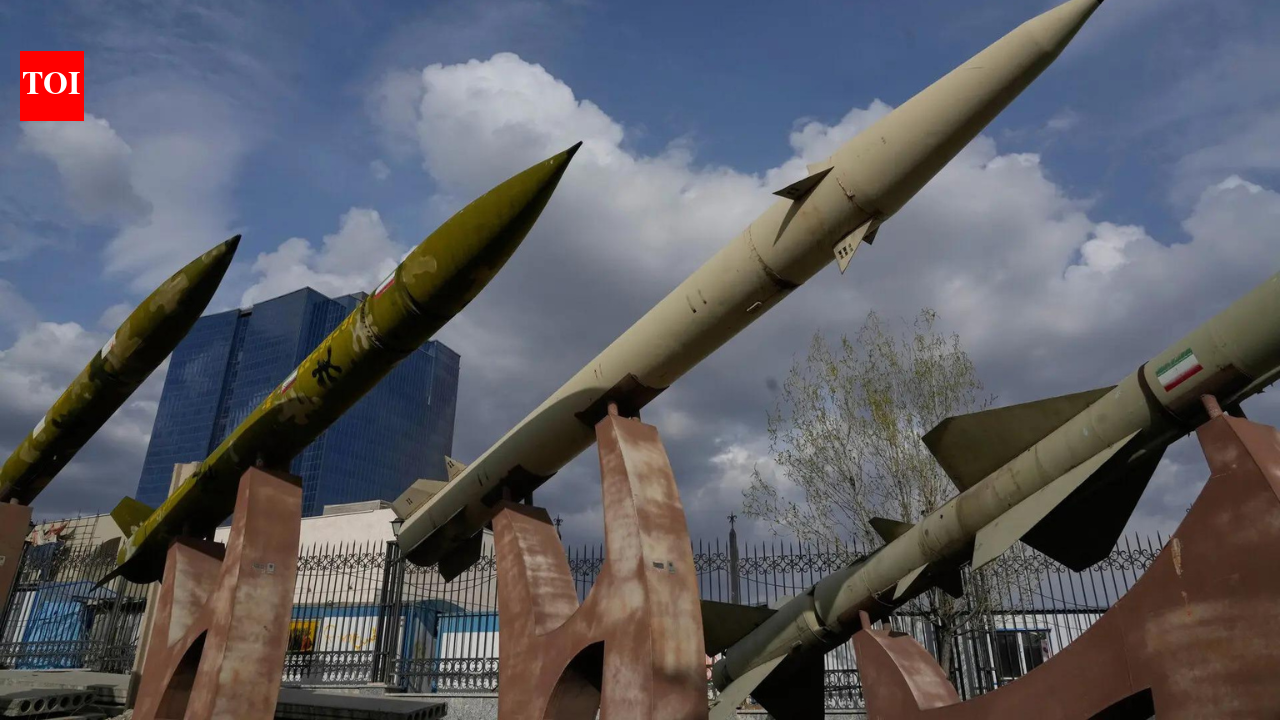
The United States has destroyed roughly a third of Iran’s missile arsenal, according to a previously unreported intelligence assessment cited by Reuters, offering the clearest picture yet of the impact of nearly a month of sustained US-Israeli strikes. The assessment contrasts with public remarks by President Donald Trump, who said Iran had “very few rockets left”. Even as he hinted at progress in ceasefire talks, Trump acknowledged the risks posed by even a small number of surviving missiles, warning that “1% is unacceptable” given the potential damage to high-value targets such as commercial shipping in the Strait of Hormuz.Five sources familiar with US intelligence told Reuters that Washington can “only determine with certainty” that about one-third of Iran’s missiles have been eliminated. Another third is believed to have been damaged, buried or rendered inaccessible in underground facilities, though officials admit the true extent remains uncertain. The remaining stockpile—potentially still substantial—continues to fuel Iranian strikes on regional targets.

Intelligence gaps expose limits of US success

Despite the scale of the US campaign, officials concede that accurately measuring Iran’s remaining missile capability is inherently difficult, largely due to its extensive use of underground storage and launch systems.

  • Around one-third of missiles are confirmed destroyed, according to US intelligence
  • Another third likely damaged or buried in tunnels and bunkers
  • Remaining inventory still operational, with potential for recovery post-conflict

One senior US official admitted: “I don’t know if we’ll ever have an accurate number,” pointing to the uncertainty surrounding Iran’s pre-war stockpile. Estimates vary widely from about 2,500 missiles cited by Israel to as many as 6,000 suggested by independent analysts.

-

Defence Secretary Pete Hegseth also acknowledged the challenge, comparing Iran’s tunnel networks to those used by militant groups elsewhere. He said the US was targeting these systems “methodically, ruthlessly and overwhelmingly,” though without offering precise figures on weapons destroyed.

‘Epic Fury’: Targeting Iran’s military backbone

The US-led campaign has focused not only on missile stockpiles but also on the infrastructure that sustains them.According to the US CENTCOM:

  • More than 10,000 Iranian military targets have been struck
  • 92% of Iran’s large naval vessels have been destroyed
  • Over two-thirds of missile, drone and naval production facilities damaged or eliminated
  • Missile and drone launch rates have dropped by over 90%

US forces have carried out more than 10,000 combat flights, including heavy bomber missions deploying up to 70,000 pounds of munitions. The strategy aims to cripple Iran’s ability to rebuild its arsenal, not just reduce its current stockpile.Still, Central Command has avoided specifying exactly how much of Iran’s missile and drone capability has been neutralised—reflecting the same intelligence uncertainties highlighted in the Reuters report.

Iran still striking as war risks widening

Despite the damage, Iran has continued to demonstrate its offensive reach. In one recent barrage, it fired ballistic missiles and drones at Gulf targets, while also expanding the range of its operations.

  • Missiles and drones launched at the United Arab Emirates and Saudi Arabia
  • Ports in Kuwait reported material damage
  • Long-range strike targeted the US-UK base at Diego Garcia

These attacks come as tensions escalate across multiple fronts. Israel has warned it will “escalate and expand” its strikes, targeting weapons production sites deep inside Iran, including in Tehran. Meanwhile, the conflict has spilled into Lebanon, with casualties reported after Israeli strikes in Beirut.At the same time, the strategic Strait of Hormuz remains a flashpoint. Iran’s disruption of shipping has rattled global markets, with oil prices surging and fears of a broader energy crisis mounting. The US has pushed for a ceasefire proposal that includes reopening the waterway, while simultaneously deploying additional troops to the region.Humanitarian concerns are also growing. Aid agencies report widespread damage across Iran, with tens of thousands of civilian buildings hit and warnings that millions could be displaced if the conflict continues.


Source link