Breaking News
Middle East conflict raises near-term risks for India but long-term growth outlook remains strong: RBI MPC member


Middle East conflict raises near-term risks for India but long-term growth outlook remains strong: RBI MPC member

The ongoing conflict in the Middle East could pose short-term challenges for the Indian economy by pushing up oil prices and disrupting trade flows, though the country’s long-term growth trajectory is unlikely to be significantly affected, according to Nagesh Kumar, an external member of the Reserve Bank of India’s Monetary Policy Committee (MPC).In an emailed interview with PTI, Kumar said the immediate economic risks stem from higher energy prices, potential export disruptions and possible effects on remittances from Indians working in the region.“The breakout of the Middle East conflict poses some immediate-term challenges for the Indian economy by raising oil prices, disrupting exports destined to the region and the potential loss of remittances, besides threatening security of the Indian diaspora in the region,” Kumar said.

US-ISRAEL-IRAN WAR: How Will It Impact India’s Oil, Trade & Air Travel| EXPLAINED

He noted that the conflict has escalated following US-Israel strikes and that oil prices could remain firm in the near term.“In the immediate short run, the conflict is escalating with US-Israel strikes and oil prices are likely to harden,” he said.“Hopefully, the crisis will be resolved soon, given the high stakes that the world has in the region.”Kumar said diversification of crude oil sourcing could help cushion the impact of the crisis on India’s energy supplies.“The opening up of Venezuelan oil supplies for India is also likely to be helpful, as it diversifies the options,” he said.He added that if the Middle East tensions ease and sanctions on Iran are lifted, India could benefit from access to cheaper oil.Despite the geopolitical risks, Kumar said inflation remains under control and does not currently pose a threat to macroeconomic stability.“Headline CPI stood at 1.3 per cent in December 2025 and is projected to be around 2.5 per cent in FY2026, even under the new data series,” he said.“The inflation outlook is not showing any concerns of overheating.”Kumar said the combination of stable inflation and improving growth prospects could allow India to remain in the so-called “Goldilocks” zone– a phase of steady growth with manageable inflation.“The upshot of these trends, namely brightening economic growth outlook amid a continued benign inflationary trend, provides an opportunity for India to stay in the ‘goldilocks’ zone for longer, except for the challenges posed by the conflicts in the immediate-term,” he said.He added that India has the potential to move from around 7 per cent growth to nearly 8 per cent, supported by expansion in manufacturing alongside the continued dynamism of the services sector.“Going forward, fiscal and monetary policies should work in a coordinated manner to support the transition of the economy to a higher GDP growth trajectory,” Kumar said.“It is this higher growth trajectory underpinned by a robust manufacturing sector that will be needed for the creation of adequate decent job opportunities and durable prosperity.”


Source link

Jaya Bachchan smiles wide as she attends Arjun Tendulkar’s wedding, Amitabh Bachchan makes a rare appearance as the couple twins in white – WATCH VIDEO | Hindi Movie News


Jaya Bachchan smiles wide as she attends Arjun Tendulkar's wedding, Amitabh Bachchan makes a rare appearance as the couple twins in white - WATCH VIDEO

Sachin Tendulkar’s son Arjun Tendulkar tied the knot on Thursday, March 5 with Saaniya Chandhok. One saw several celebs attend this grand wedding and bless the couple. As far as the cricketers are concerned, one saw Sunil Gavaskar, Rahul Dravid, Yuvraj Singh, MS Dhoni, Zaheer Khan, Yusuf Pathan, Harbhajan Singh with their respective wives. Many other celebs also graced the wedding. Amitabh Bachchan made a rare appearance and was spotted by the paps. He was seen in a classy white kurta pyjama teamed with a shawl. Jaya Bachchan was seen twinning with him in a white saree with embroidery and a gajra. The actress looked beautiful and was seen in a good mood as she smiled wide. Though the veteran couple did not pose for the paps and straight away walked in. Abhishek Bachchan and Aishwarya Rai Bachchan were also seen arriving together. Shah Rukh Khan wore an ivory ethnic wear while Gauri Khan along with Suhana Khan were seen twinning in yellow outfits. Khan was all smiles as he posed with his family. Legendary singer Asha Bhosle also attended the wedding, dressed in a white saree paired with a pearl necklace. The couple’s sangeet ceremony, hosted on Tuesday evening, turned into a glittering affair with an impressive mix of cricketing stars and prominent names from the film fraternity in attendance. Among those who joined the pre-wedding festivities were filmmaker Vidhu Vinod Chopra, along with cricketer Yuvraj Singh and his wife Hazel Keech. The guest list also featured Harbhajan Singh and Geeta Basra, Zaheer Khan with Sagarika Ghatge, Ajit Agarkar and his wife Fatima Ghadially, as well as Irfan Pathan with Safa Baig. Yusuf Pathan was also present, accompanied by his wife Afreen.The evening was marked by music, celebration and a strong show of camaraderie from both the sports and entertainment worlds.


Source link

Gautam Gambhir attends Arjun Tendulkar’s wedding hours before India vs England T20 World Cup semifinal – Watch | Off the field News


Gautam Gambhir attends Arjun Tendulkar's wedding hours before India vs England T20 World Cup semifinal - Watch
Gautam Gambhir and Tendulkar family at Arjun Tendulkar’s wedding celebrations (Agency Image)

Gautam Gambhir was spotted attending the wedding celebrations of Arjun Tendulkar in Mumbai just hours before India’s crucial semifinal against England cricket team in the ICC Men’s T20 World Cup. The Indian head coach arrived at the ceremony dressed in traditional attire, drawing attention ahead of the high-pressure knockout fixture.India, under Gambhir’s guidance, had earlier faced a tense moment during their Super 8 encounter but managed to rise to the challenge and eliminate the two-time champions to secure a place in the last four of the tournament. With the semifinal clash approaching, Gambhir was seen making a brief appearance at the wedding event.

Stars shine at Arjun Tendulkar’s Sangeet | Mumbai witnesses grand celebration

According to reports, a few members of the Indian squad were also present at the function. The timing made it possible because the ceremony was being held at the same hotel where the Indian team was staying before the semifinal match.The wedding attracted several well-known personalities from across the country who gathered to celebrate the occasion.Arjun married Saaniya Chandhok, with the couple having announced their engagement in August last year. Saaniya comes from a prominent business family and is the granddaughter of Ravi Ghai, chairman of the Graviss Group. She has also shared a close friendship with the Tendulkar family for years, especially with Arjun’s sister Sara Tendulkar.The 26-year-old Arjun has had limited appearances in the Indian Premier League so far. Playing for Mumbai Indians, he has featured in five matches, taking three wickets while conceding 114 runs and scoring 13 runs with the bat.At the domestic level, Arjun currently represents Goa cricket team after making his debut for the Mumbai cricket team in 2021.Ahead of the IPL 2026 mini-auction, Arjun was traded from Mumbai Indians to Lucknow Super Giants and is set to turn out for the franchise in the upcoming season.He was originally bought by Mumbai Indians in the IPL 2021 mini-auction for ₹20 lakh, although he did not get a chance to feature in a match during that season.


Source link

Salaried taxpayers alert! What is your year-end tax readiness? Check list of important documents & top things to keep in mind


Salaried taxpayers alert! What is your year-end tax readiness? Check list of important documents & top things to keep in mind
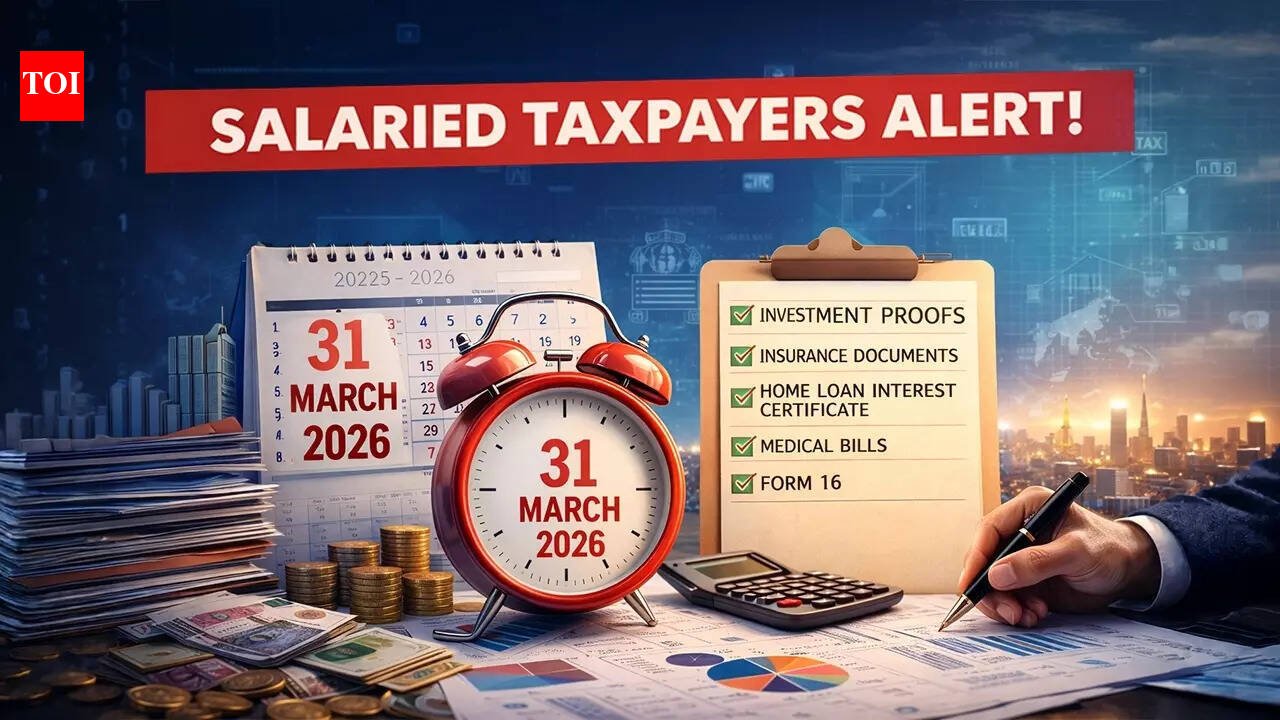
With March 31, 2026, serving as the definitive cut-off, only those investments and expenditures completed on or before this date qualify for tax benefits. (AI image)

As the financial year draws to a close, millions of salaried taxpayers across India enter a decisive phase. What was once a routine process of submitting investment proofs to the employer has now evolved into something far more strategic. Year-end tax planning today directly affects your take-home salary, refund timelines, and even the likelihood of receiving automated notices from the Income tax department.With March 31, 2026, serving as the definitive cut-off, only those investments and expenditures completed on or before this date qualify for tax benefits for the relevant financial year (FY) 2025-26. These transactions are subsequently reflected in Form No. 16, Form No.26AS, and the Annual Information Statement (AIS). Consequently, any lapse before the deadline: whether an unreported investment, missing documentation, or an unreconciled transaction- can directly affect the taxpayer’s outcome, potentially leading to delayed refunds or automated mismatch notices. In a system that is increasingly digital and data-driven, even minor gaps can have consequences.

Old vs New Personal Tax Regime: The Choice That Shapes Your Tax Bill

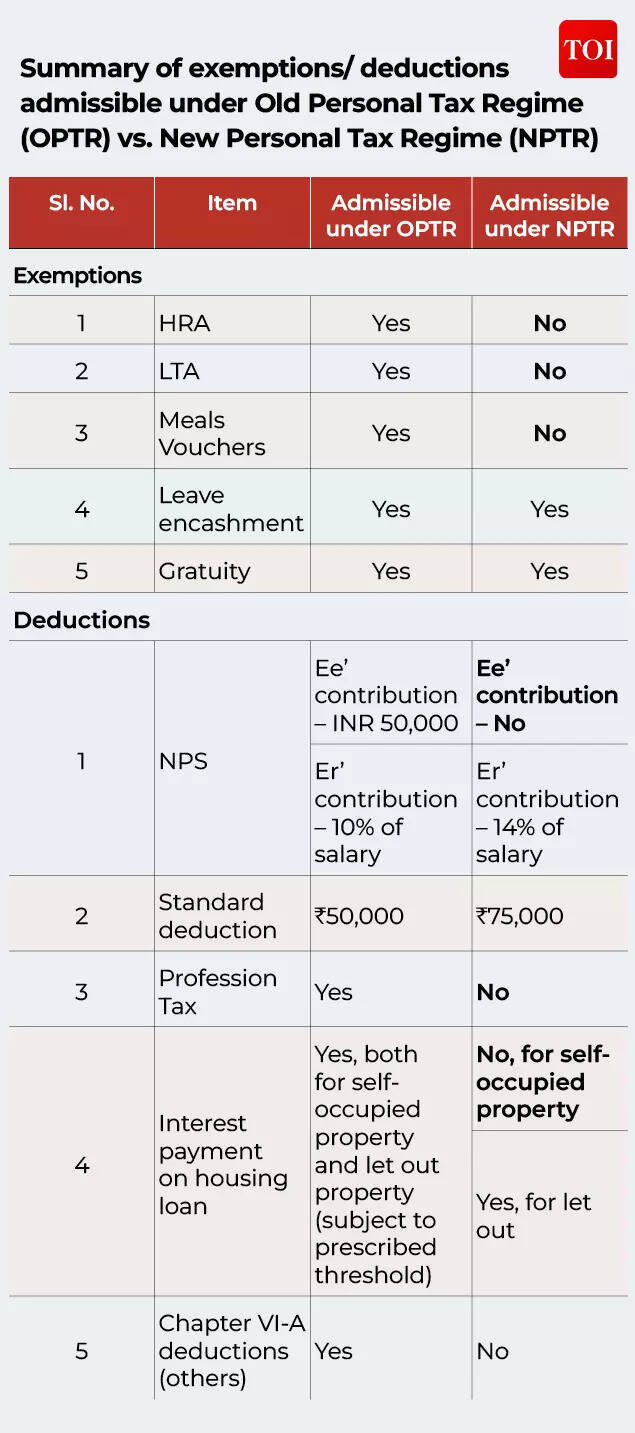
India currently offers two parallel tax systems for individuals – Old Personal Tax Regime and New Personal Tax Regime. While the new regime is now the default option, the choice remains with the taxpayer.The old tax regime continues to benefit those individuals who have significant deductible expenses and structured investments that qualify for exemptions. It permits a broad range of deductions and exemptions, including investments such as Life Insurance, Equity Linked Savings Schemes (ELSS), and Public Provident Fund (PPF) contributions; Health Insurance premiums; as well as benefits like House Rent Allowance (HRA), Leave Travel Allowance (LTA), and home loan interest deductions.The old tax regime provides a Rs 50,000 standard deduction and a rebate up to Rs 5 lakhs, but permits a wide array of deductions and exemptions, as outlined earlier. For taxpayers whose total eligible deductions are substantial, the old tax regime may result in greater overall tax savings despite its higher slab rates.However, these advantages come at the cost of higher slab rates and the need for meticulous record-keeping to substantiate each claim.The new regime offers lower slab rates, an increased standard deduction of Rs 75,000, and a full tax rebate for income up to Rs 12 lakh. It removes most exemptions and deductions, making compliance simpler. For individuals, especially those without significant deductible expenses, housing loans, or tax-saving investments -this option appears straightforward and attractive.This simplicity has driven widespread adoption. As per recent Income tax department’s official statement, 88% of individual taxpayers have opted for the new regime. Ultimately, the choice between the two regimes hinges on a careful evaluation of one’s financial profile. For a simplified view and easy reference, the table below provides a consolidated summary of exemptions and deductions permissible under each tax regime:

Summary of exemptions & deductions

The key message is simple: there is no universal “better” option. The optimal choice depends entirely on your income level and eligible deductions. The Government’s online tax calculator can help compare both regimes, and every salaried individual should perform this exercise at least once before the FY closes.

Documentation: The Backbone of the Old Regime

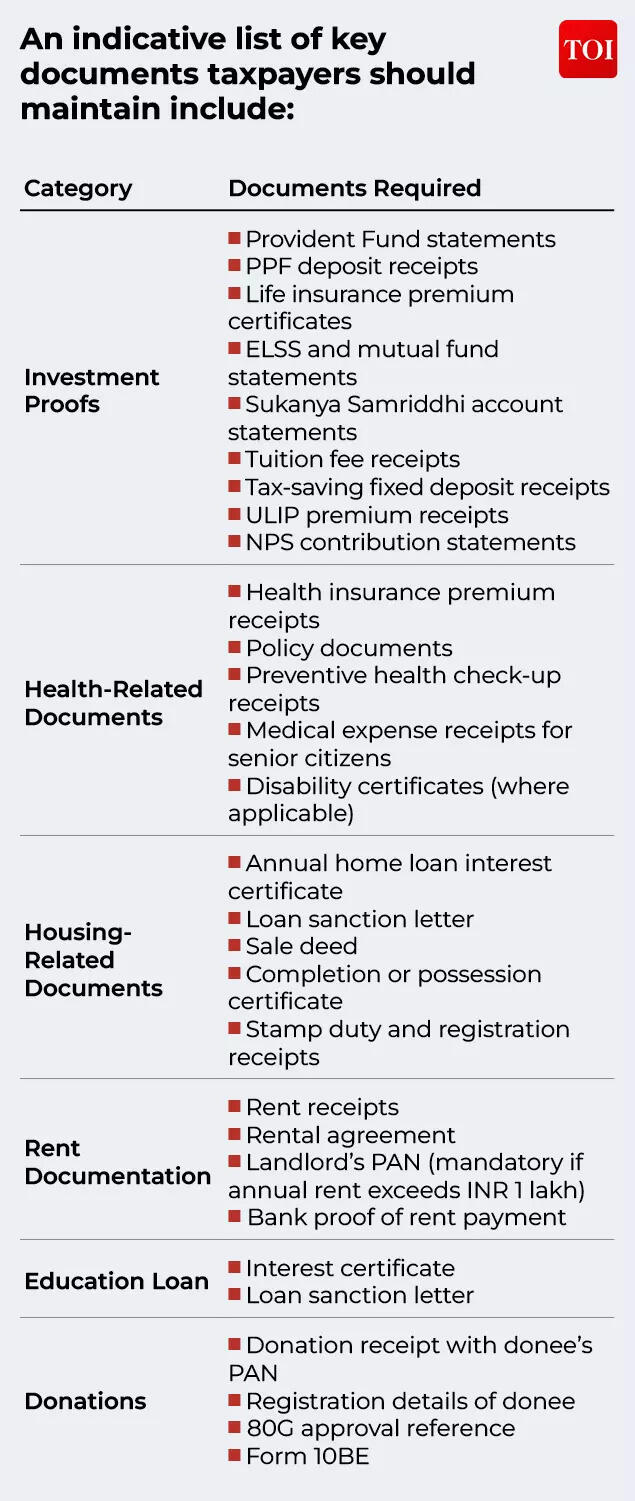
For those opting for the old regime, documentation is not optional, it is critical. Every deduction claimed must be backed by valid documentary evidence. Employers rely entirely on proofs submitted by employees, and the Income tax department now cross-verifies claims through third-party reporting.An indicative list of key documents taxpayers should maintain include:

Key documents taxpayers should maintain

Under the old regime, documentation is your first line of defence. Incomplete records can lead to disallowance of deductions, additional tax, and interest liability.

March Payroll: Why It Matters More Than You Think

Employers play a significant role in the year-end tax outcome. During March, companies conduct the final TDS (Tax Deducted at Source) adjustment based on:

  • The tax regime selected
  • Investment proofs submitted
  • Other income declared by the employee

If supporting documents are not submitted within prescribed timelines, employers are required to compute tax without considering exemptions/ deductions. This often leads to a higher TDS deduction in March -resulting in a lower take-home salary for the final month.Importantly, once TDS is deposited with the government, corrections typically happen only when you file your Income tax return (ITR). This means excess tax may remain locked until refund processing -which can take months.Beyond salary-linked deductions, employees may also declare income from other sources—such as bank interest, dividends, Tax Collected at Source (TCS) on foreign remittances, and income arising from Restricted Stock Units or Employee Share Purchase Plans etc. so that these are appropriately factored into the final tax computation.Employers rely entirely on the declarations and supporting documents submitted during the year to compute accurate TDS. Failure to declare such income and furnish valid proof, employers are obligated to recompute taxes without considering those deductions or credits. This often results in a higher/lower TDS deduction in the final month of the FY.

TDS on Rent: A Frequently Missed Compliance

One of the most overlooked obligations by rent paying individuals relates to tax withholding on high value rent payments. If monthly rent exceeds Rs 50,000, the tenant must deduct TDS at 2%, even if the tenant is a salaried individual with no business income.The rule varies depending on the landlord’s residential status:If the landlord is a resident: TDS at 2% should be deducted once in a FY – typically in March or at the time of vacating the property what comes earlier.If the landlord is a non-resident (NR): TDS must be deducted at the time of each rent payment. The rate is significantly higher – 30% plus surcharge and cess, unless a lower deduction certificate is obtained by the landlord.Failure to deduct or deposit TDS can attract interest, late fees, and penalties. With automated systems now identifying such gaps, ignoring this requirement can be costly.Tenants should obtain/ maintain records of the following:

  • Landlord’s PAN
  • TAN, only if the landlord is a NR
  • Confirmation of residential status
  • Rent agreement
  • Proof of rent payment
  • TDS deposit challans
  • Form 26QC and Form 16C (as applicable)

This is an area where many salaried individuals unknowingly slip into non-compliance.

You Can Change the Tax Regime at the Time of Filing

A widespread misconception is that the tax regime chosen with the employer is final. This is not entirely correct. A salaried taxpayer may choose one regime for TDS purposes at the beginning of FY and switch to other regime while filing the ITR – subject to conditions. However, this flexibility is available only if the ITR is filed within the prescribed due date. Filing a belated ITR may restrict this option. This provision offers valuable relief to taxpayers who may have miscalculated their optimal regime at the start of the FY.

Investment Deadlines Are Non-Negotiable

While regime selection offers flexibility, investment deadlines do not. Only investments completed on or before March 31, 2026, qualify for deduction for FY 2025–26. A transaction initiated but not successfully executed before the deadline does not count. Delays due to banking cut-offs, settlement cycles or technical glitches can result in lost deductions.Taxpayers must ensure:

  • Payments are fully processed
  • Acknowledgement receipts are generated
  • Bank entries are reflected before the deadline

Waiting until the final day increases risk.

The Era of Automated Scrutiny

India’s tax administration has undergone a structural shift. With digitisation and real-time data integration, the Income tax department now cross-verifies income and deductions using:

  • Form No. 16
  • Form No. 26AS
  • AIS
  • Taxpayer Information Summary (TIS)
  • Data from banks, insurance companies, and other financial institutions

Any mismatch can trigger automated notices. AIS provides a comprehensive view of reported financial transactions—salary, interest, dividends, securities trades, rent, and other high-value entries while TIS and Form No. 26AS summarises income and tax credits such as TDS, TCS, and advance/self-assessment tax. These records must be carefully reconciled at the year-end along with personal financial documents.Common triggers include:

  • HRA claimed without rent income reflected for landlord
  • Non-deduction of TDS where landlord is NR or monthly rentals exceed Rs 50,000
  • Section 80C claims not matching with investments reported in AIS or by financial institutions
  • Health insurance premiums not traceable to insurer data
  • Donation claims without valid acknowledgement reference number
  • Unreported bank interest, especially when TDS from banks appears in AIS leading to automatic income‑mismatch alerts.

A practical example: A taxpayer declared Rs 18,000 as interest income, while AIS reflected Rs 42,500 due to fixed deposit interest reported by the bank. This mismatch triggered an automated notice proposing additional tax. The issue was resolved only after filing a revised return.The lesson is clear : disclosures must align fully with digital financial records. Taxpayers should periodically review AIS, TIS and Form No. 26AS on the e-filing portal to reconcile discrepancies before filing their ITR.

The New Reality of Compliance

India’s tax system has moved firmly into a data-driven era. Compliance is no longer about intent -it is about accuracy and documentation.Pre-filled returns now mirror information available with the tax department. Salary details, investments, deductions, and tax credits reflect in the AIS, TIS, Form No. 26AS, and other third-party reporting platforms, compliance has become a continuous, year-round responsibility rather than a last-minute March exercise.Claims are validated through third-party reporting. Automated systems flag inconsistencies instantly. Whether one chooses the simplicity of the new regime or the deduction-driven benefits of the old regime, success depends on:

  • Timely documentation
  • Transparent disclosures
  • Digital reconciliation
  • Meeting strict deadlines

With the proposed Income-tax Act 2025 and Rules 2026 on the horizon, further refinements may follow. However, one principle is already evident: documentation discipline is no longer optional.For salaried taxpayers, year-end tax planning is not merely about reducing liability – it is about ensuring seamless compliance in a system designed to validate every claim.(Vikas Narang, Director at Vialto Partners and Nathalia Rodrigues, Assistant Manager at Vialto Partners also contributed to the article. Views are personal)


Source link

Maharashtra Transport Strike: ‘Chakka jam’ in Maharashtra: School buses, trucks, taxis to halt as operators protest ‘excessive’ e-challans | Mumbai News


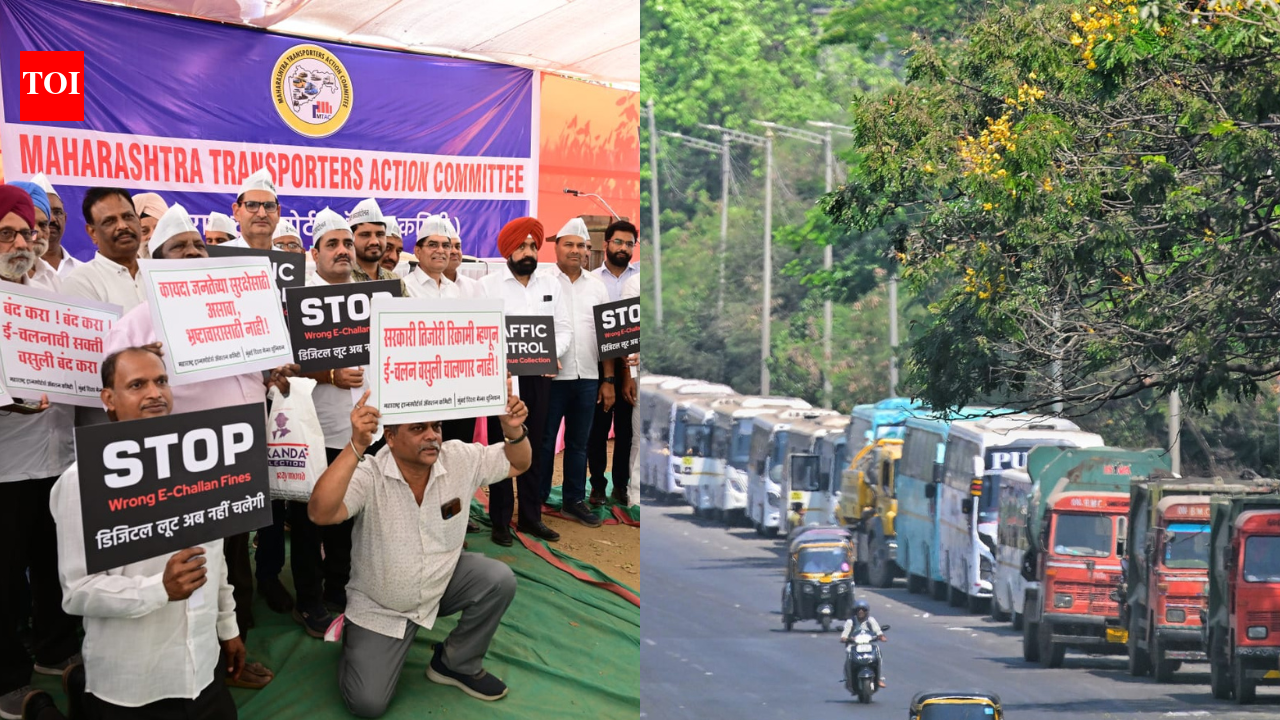
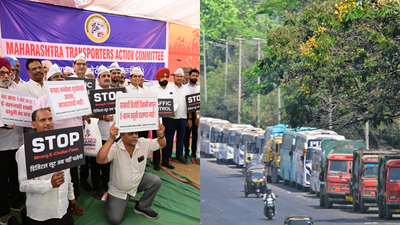
MUMBAI: Transporters across Maharashtra staged a statewide “chakka jam” on Thursday to protest against what they called “arbitrary and excessive” e-challans and other issues affecting the sector. They also warned of an indefinite strike starting at midnight.The Transport Commissioner’s office has directed all Regional Transport Offices (RTOs) to set up separate control rooms to monitor the protests and report any incidents that may affect law and order, an official said.After talks at the Maharashtra Transport Commissioner’s office on Wednesday evening failed to reach an agreement, the Maharashtra Transport Action Committee (M-TAC) announced that the strike would proceed as planned.According to M-TAC, protests will be held at Azad Maidan in Mumbai and outside RTO offices across the state before the indefinite strike begins.M-TAC stated that school buses, contract carriage buses, private buses, and commercial vehicles, including trucks, taxis, tempos, and tankers, would stay off the roads during the agitation. The transporters also threatened to bring vehicles to protest sites.Anil Garg, leader of the School Bus Owners Association, said on Wednesday that school buses across the state would not operate from Friday if the strike goes ahead, though services would continue on Thursday.Earlier this week, the Maharashtra Transport Minister Pratap Sarnaik held a meeting with transporters at the MSRTC headquarters, but M-TAC described the talks as unfruitful due to what they called “hollow assurances” from the government.The minister Pratap Sarnaik had urged transporters to withdraw the agitation, saying the government was positive about cancelling “unjust” e-challans for parked vehicles and would take a favourable decision on the issue.A senior official said all RTOs have been instructed to keep control rooms active and alert authorities to any incidents that could affect law and order. RTOs must also submit daily reports by 5 pm detailing the strike’s impact on their jurisdiction, including passenger movement, essential commodities, preventive measures, and problems faced during the protest.M-TAC said the protest is aimed at stopping “arbitrary and excessive” electronic traffic enforcement and addressing the growing financial burden on transporters.The committee’s charter of demands, submitted earlier this year, seeks major reforms to the e-challan system, a waiver of pending fines, and reductions in taxes and toll charges on commercial vehicles.M-TAC leaders claimed that the e-challan system has caused difficulties not only for transport operators but also for regular vehicle owners.The committee has also requested the withdrawal or relaxation of a rule introduced in January 2026, which requires clearing e-challan penalties within 45 days, or else transporters face restrictions on essential services such as permit renewal, fitness certification, and other approvals.“As per Rule 468 and amended Rule 514 of the Code of Criminal Procedure, all time-barred e-challans should be cancelled if cases are not filed in court,” the charter of demands stated.The transporters have also asked for closure of highway check posts, the establishment of rest houses for drivers, and the provision of emergency services, fire tenders, parking lots, bus stops, and cargo loading and unloading facilities on highways.They have further demanded a review of repeated retrofitting of devices such as panic buttons, vehicle tracking systems, high-security registration plates, fire detection and suppression systems, and CCTV cameras, which they say are mandated under the pretext of safety.M-TAC also called for the suspension of abrupt “no entry” restrictions that create operational difficulties and urged the government to adopt a more consultative approach with the transport sector.


Source link

‘Target for elimination’: Israel’s warning for Iran’s next supreme leader


Netanyahu’s government’s warning for Iran’s next supreme leader

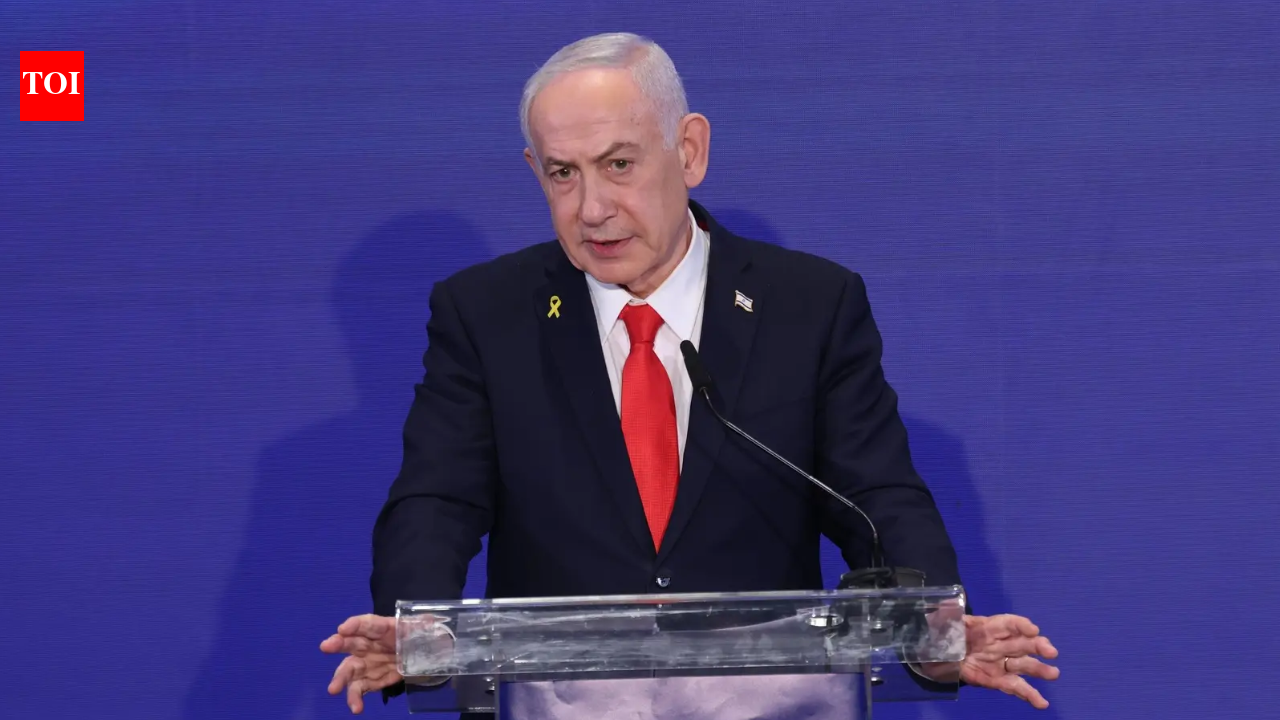
Israel warned on Wednesday that whoever Iran selects as its next supreme leader will be “a target for elimination.”Israeli defence minister Israel Katz wrote on X, “Every leader appointed by the Iranian terror regime to continue and lead the plan to destroy Israel, to threaten the United States and the free world and the countries of the region, and to suppress the Iranian people—will be an unequivocal target for elimination.

‘GATES OF HELL’: Iranian Army’s Rare Message To US & Israel; Promises ‘BIGGEST-EVER’ Strike Soon

“It does not matter what his name is or the place where he hides. The Prime Minister and I have instructed the IDF to prepare and act by all means to carry out the mission as an integral part of the objectives of Operation ‘Lion’s Roar’. We will continue to act with full force, together with our American partners, to crush the regime’s capabilities and create the conditions for the Iranian people to overthrow it and replace it,” he added.The warning comes amid a major escalation in the region. On Saturday, a full-scale operation was launched targeting the Khamenei-led political establishment in Iran, with Israel joining under the codename Operation Lion’s Roar. The operation followed the killing of 86-year-old Ayatollah Ali Khamenei, which intensified the conflict.Follow US-Israel-Iran War Live UpdatesIsraeli media reported that Mojtaba Khamenei, son of the late Supreme Leader, has been chosen as his father’s successor. Senior Israeli officials told Ynet news that Iran’s Assembly of Experts is expected to formally announce Mojtaba Khamenei in the coming hours, though Iran state media has not confirmed the development.Mojtaba Khamenei reportedly played a key role in running his late father’s office and maintains close ties with the top leadership of the IRGC and the Quds Force. Israeli media described him as more hard-line than his father and involved in violent crackdowns on protesters in Iran. In November 2019, the US Treasury Department sanctioned Mojtaba, noting that he represented the Supreme Leader in an official capacity and worked closely with the IRGC-QF and Basij Resistance Force to advance regional and domestic objectives.Meanwhile, the IDF said a new wave of airstrikes is underway against Hezbollah sites in Beirut. Civilians near two buildings linked to the group were instructed to keep at least 300 meters away. Earlier strikes in Tehran targeted command centres of Iran’s Basij paramilitary force and internal security forces, as well as Iranian army logistics sites, missile launchers, and air defence systems.Israel had previously targeted a building associated with Iran’s Assembly of Experts, the body responsible for selecting the new supreme leader, signaling the intensifying nature of the conflict.


Source link

T20 World Cup 2026: Michael Vaughan suggests one change in India’s playing XI for the semi-final against England


The stage is set for a thrilling contest as India take on England in the second semi final of the ICC Men’s T20 World Cup 2026 at the iconic Wankhede Stadium in Mumbai. With a place in the final at stake, the clash between the two cricketing powerhouses has generated massive excitement among fans and experts alike. Both teams have shown impressive form throughout the tournament and possess match winners capable of turning the game in a matter of overs.

India have relied on a balanced combination of explosive batting and disciplined bowling to reach the knockout stage, while England have once again displayed their aggressive brand of T20 cricket. Given the quality of players on both sides, the encounter promises to be a high intensity battle under the lights at one of India’s most famous venues.

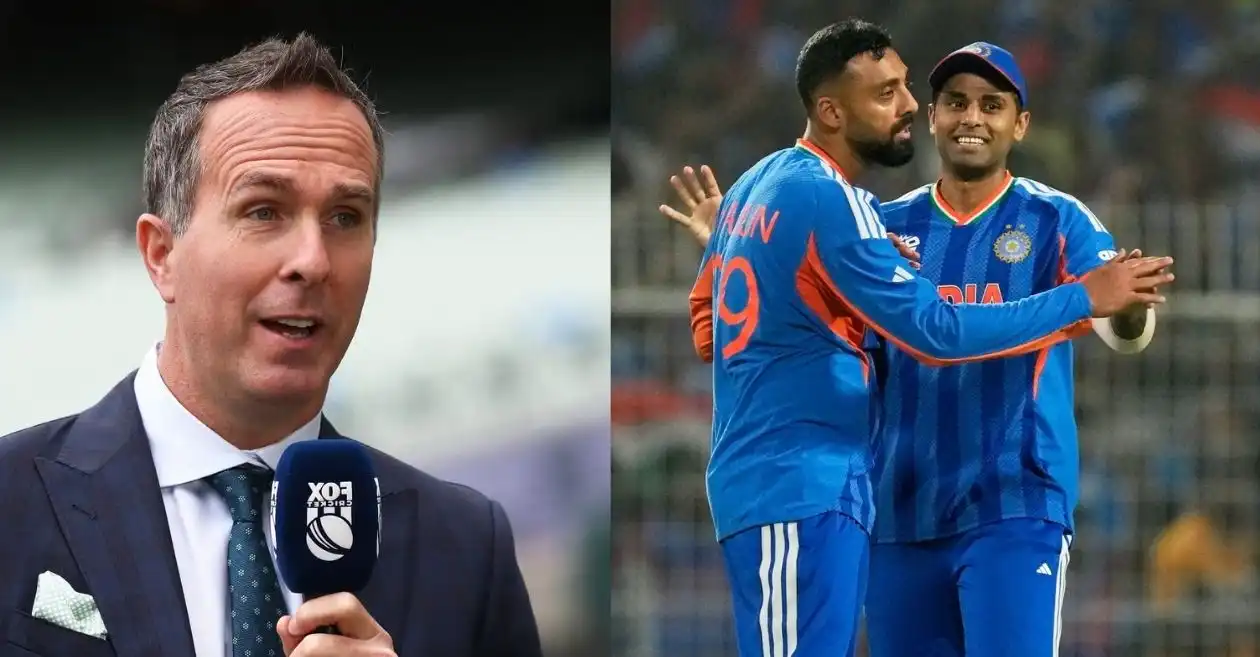
Amid the growing anticipation, former England captain Michael Vaughan has weighed in with a tactical suggestion for the Indian team management ahead of the crucial knockout fixture.

Michael Vaughan picks one change in India’s XI for the semi final

Speaking on Cricbuzz, Vaughan suggested that India should consider bringing left arm wrist spinner Kuldeep Yadav into the playing XI for the semi final against England. According to the former England skipper, Kuldeep’s track record against England batters makes him a potentially dangerous weapon in the high pressure game.

“I would play Kuldeep Yadav. Kuldeep, over the years, has had England on toast in any format. He has always been a bowler England have struggled to pick,” Vaughan said while discussing India’s possible combination.

Vaughan questioned whether India necessarily need additional batting depth in the lower middle order, suggesting that a specialist spinner could offer greater value against England’s attacking lineup.

“Do you need Tilak Varma or Shivam Dube down the order? Instead, I would be playing the left arm leg spinner against this England batting lineup. We don’t know if Kuldeep is in form as he hasn’t played. But him against the England batters will be a good matchup for India,” he added.

The former England captain also acknowledged that India’s current team strategy under head coach Gautam Gambhir appears to favour batting depth, which might make Kuldeep’s inclusion less likely.

“But Gautam Gambhir’s history is to generally pack the batting. He sets up T20 teams where you’ve got a real powerful insurance at 7, 8, and 9. So what I am saying potentially won’t happen, but it would be worthwhile to play Kuldeep against this England batting lineup,” Vaughan further explained.

Kuldeep has historically troubled several England batters with his variations, particularly his deceptive googlies and flight, making him a strong tactical option in high pressure matches.

Also READ: Top 5 fastest centuries in T20 World Cup history ft. Finn Allen

Expectation high from a cracker of a game

The excitement surrounding the second semi final has increased even further after New Zealand sealed their place in the final earlier. The Black Caps booked their spot in the title clash after crushing South Africa in the first semi final of the tournament.

As a result, the winner of the India vs England encounter will face New Zealand in the final, raising the stakes for both sides. Fans and analysts expect the Wankhede clash to deliver a thrilling contest, with both teams boasting explosive batters and world class bowlers.

With tactical decisions, team combinations, and matchups likely to play a crucial role, the semi final promises to be a fascinating battle between two modern day T20 giants.

Also READ: T20 World Cup 2026: India vs England 2nd Semi-Final Ticket Prices and Sitting Details


Source link

‘Five games on black soil’: Finn Allen reveals the secret behind New Zealand’s T20 World Cup surge | Cricket News


'Five games on black soil': Finn Allen reveals the secret behind New Zealand’s T20 World Cup surge

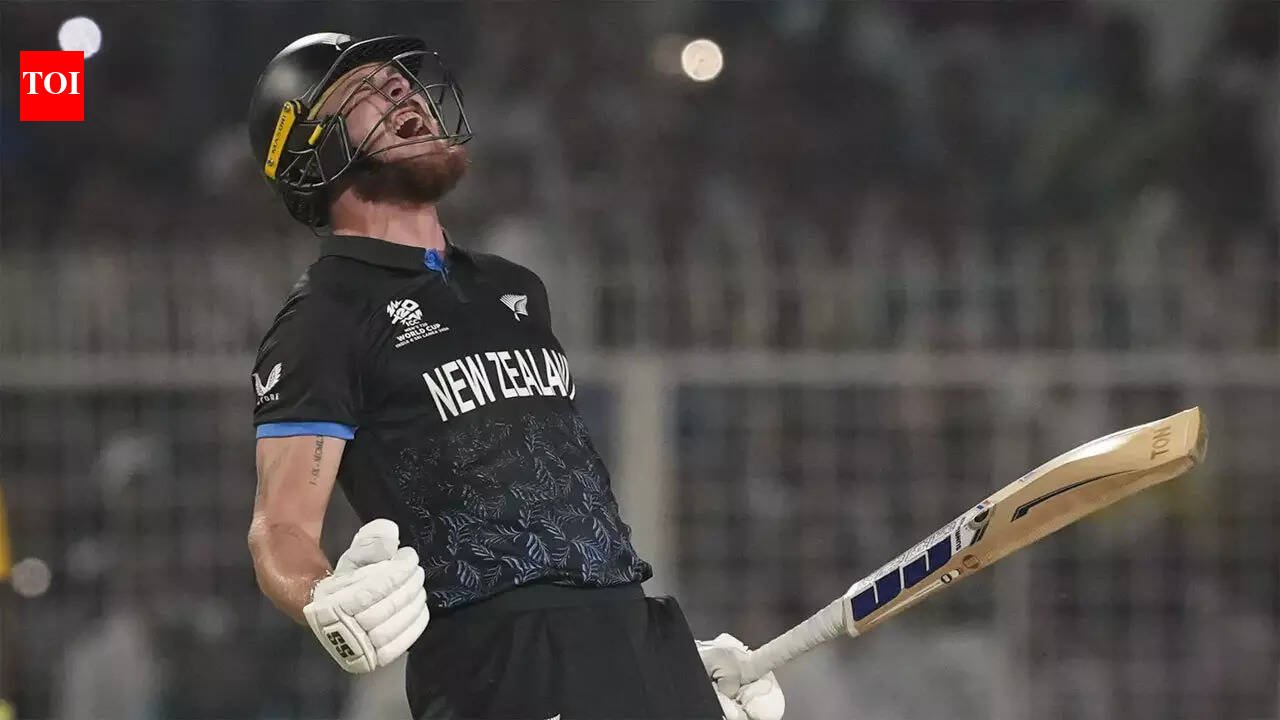
NEW DELHI: Explosive opener Finn Allen credited New Zealand’s recent tour of India as a key factor behind their clinical run in the ICC Men’s T20 World Cup 2026 after smashing a record-breaking century to power the Kiwis into the final.Go Beyond The Boundary with our YouTube channel. SUBSCRIBE NOW!Allen produced one of the most destructive knocks in World Cup history, blasting an unbeaten 100 off just 33 balls as New Zealand chased down a tricky 170 against South Africa in only 12.5 overs at Eden Gardens on Wednesday. The nine-wicket victory sealed New Zealand’s place in the final in emphatic fashion.

India arrive for final net session before T20 World Cup semifinal

Speaking after the match, Allen highlighted how a five-match series against India before the tournament helped the visitors adapt to the demanding black-soil surfaces used during the World Cup.“It just shows the importance of that India series the boys played before the World Cup. Five games on black soil… you can’t replicate that kind of preparation,” Allen said. “We learnt a lot as a group. As a team, we get up for the fight. In those important games we’re prepared to scrap and stay in it till the end.”Allen also praised the New Zealand bowlers for setting up the victory after early breakthroughs dented South Africa’s momentum. “It was an extremely impressive start from our bowlers — they set the game up for us, for sure. On a surface like that, if you can take wickets up front and build pressure, it makes life a lot easier for the batters.”The right-hander added that the recent experience of playing in India gave him a better understanding of the conditions. “Having had that last game against India on black soil gave me a proper look at what to expect. That was really helpful coming into this one,” he said.Allen also reserved special praise for opening partner Tim Seifert, who hammered a 33-ball 58 in a blistering stand that effectively ended the contest inside the powerplay.“He just kept dealing in boundaries… he’s been doing that all tournament. He’s in incredible form. It’s good fun batting with Timmy when he’s in that mood,” Allen said.Looking ahead to the final, Allen urged fans back home to rally behind the team. “Finals are special… you don’t get too many chances at them. Hopefully everyone gets behind us for Sunday.”


Source link

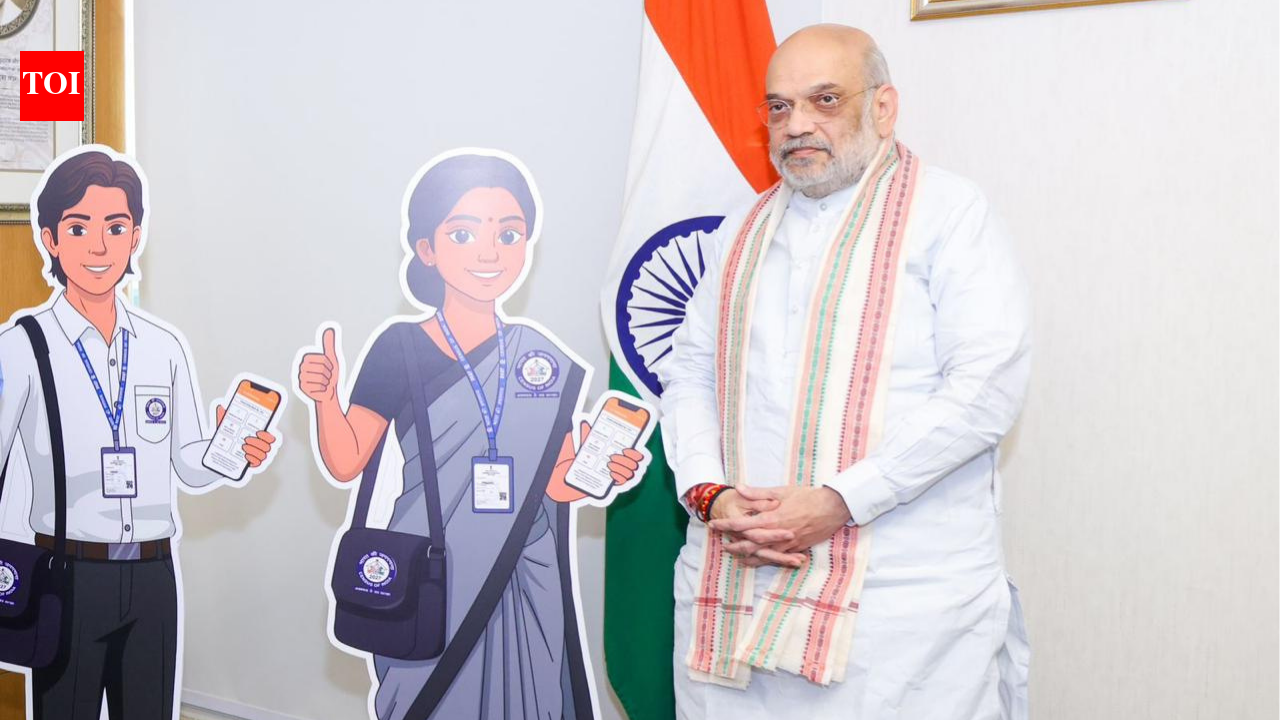
Census 2027: Amit Shah unveils mascots ‘Pragati’ and ‘Vikas’; what’s new this time | India News


Census 2027: Amit Shah unveils mascots ‘Pragati’ and ‘Vikas’; what’s new this time

NEW DELHI: Union home minister Amit Shah on Thursday soft-launched four digital tools and unveiled the mascots for Census 2027, “Pragati” (female) and “Vikas” (male).The mascots are meant to symbolise the equal participation of women and men in India’s journey toward becoming a developed nation by 2047.Developed by the Centre for Development of Advanced Computing (C-DAC), the new digital platforms are designed to support the enumeration process for what will be the world’s largest census exercise.Scheduled to begin on April 1, 2026, Census 2027 will be conducted in two phases. The first phase, the house-listing and housing census, will run from April to September 2026, followed by the population enumeration phase in February 2027.For the first time, the national headcount will be conducted entirely through digital means. Citizens will also be able to self-enumerate online in 16 languages before enumerators begin door-to-door surveys.At the centre of the exercise will be the Census Management and Monitoring System (CMMS), a dedicated digital portal designed to coordinate one of the largest administrative operations in the world.The system will mark a major shift from traditional paper-based enumeration. Instead of clipboards and paper forms, field staff will use handheld devices, geotagged mapping tools and a centralised web-based monitoring platform.More than 3.2 million enumerators, supervisors and other field officials will be involved in the exercise across the country. Using handheld devices, they will collect detailed demographic, social and economic data from hundreds of millions of households.The data collected will be transmitted and processed through the CMMS platform, allowing it to be aggregated, validated and monitored in near real time, significantly reducing the time required for compilation and error correction.Census 2027 will be the 16th national census since Independence and the first to be conducted as a fully digital exercise with a self-enumeration option for citizens.The decadal census was originally scheduled for 2021, but was postponed due to the Covid-19 pandemic.According to the Registrar General of India (RGI), citizens will be asked 33 questions during the first phase of the exercise, which focuses on house-listing and housing details.


Source link

Access Denied


Access Denied

You don’t have permission to access “http://www.ndtv.com/world-news/iran-israel-war-tehran-not-involved-in-attack-on-saudi-aramco-iranian-sources-ayatollah-ali-khamenei-death-donald-trump-us-strikes-11171595” on this server.

Reference #18.c4f5d217.1772702291.f9ac2ee6

https://errors.edgesuite.net/18.c4f5d217.1772702291.f9ac2ee6


Source link