Breaking News
How crude oil benchmark volatility, refinery economics and a broken supply chain are testing India’s energy resilience


How crude oil benchmark volatility, refinery economics and a broken supply chain are testing India’s energy resilience

“Energy can never be created, nor destroyed; it can only be changed from one form to another.”The first law of thermodynamics remains a quiet scientific truth despite a broken supply of crude oil due to the ongoing Middle East crisis. As geopolitical disruption tightens its grip around the Strait of Hormuz, that law reads less like classroom physics and more like a warning. The oil is still there, in the reservoirs beneath Kuwait, Iraq and the Emirates. What has changed is whether the crude oil can move without disruption.The disruption in the Middle East has exposed a deeper fault line in global oil markets. For India, it’s significant because the country imports nearly 90 per cent of its crude oil requirement. With roughly 50 per cent of its crude imports transiting the Strait of Hormuz, according to S&P Global Commodities at Sea data, India now finds itself at the intersection of simultaneous pressures: a disrupted supply route, a changing import mix since it began unwinding Russian crude purchases. According to the government, the supply is sufficient to cover 60 days of consumption.

Watch

‘West Asia Crisis Poses New Challenges For India’: PM Modi Warns On Economy Energy And Security

In a telephone call on March 21, 2026, Vinay, a professional working in NAPESCO, Kuwait-based upstream drilling support services, originally from eastern Uttar Pradesh described conditions on the Kuwait’s coast. “Operations are disrupted. Only about 30 per cent of employees are coming to the office. Offices have taken all safety measures, including fire safety, after the missile attack. The fire safety team can reach any office within 2-3 minutes ,”he told TOI. This disruption has changed the language of the market. The focus is no longer limited to supply and demand. It is about resilience, rerouting and the ability to sustain flows through disruption. In that recalibration, pricing benchmarks, refining systems and national strategies are being tested simultaneously.In March 2026, global crude flows through the Strait of Hormuz – the world’s most critical oil transit chokepoint–collapsed dramatically, triggering a chain reaction across markets. According to the International Energy Agency (IEA), nearly 20 million barrels per day (mb/d) of crude and petroleum product flows have been disrupted, while global oil supply is projected to fall by around 8 mb/d in the same month.

Not all oil is the same: The chemistry that sets the price

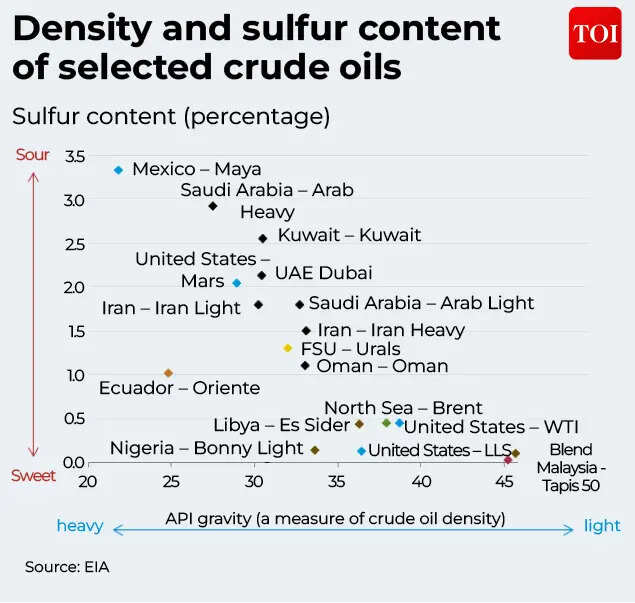
The first thing to understand about crude oil is that it is not a single substance. It is a complex mixture of hydrocarbons, and where a crude sits on that spectrum determines who buys it, at what price, and what can be made from it.Two measurements define any crude at the wellhead. The first is API gravity, a density scale developed by the American Petroleum Institute. Light crude, above 31 degrees API, flows easily and naturally yields a high proportion of petrol and jet fuel when refined. Heavy crude, below 22 degrees API, is viscous, requires more processing energy and tends to produce larger quantities of lower-value residues unless the refinery is specifically built to upgrade them.
-

The second is sulphur content. Crude with less than 0.5 per cent sulphur is called sweet; it meets clean-fuel standards at a lower refining cost and commands a price premium. Crude above that threshold is called sour; it requires an additional desulphurisation stage before it can meet Euro-VI standards, and it trades at a discount. That discount has historically ranged from three to fifteen dollars per barrel depending on market conditions, according to S&P Global Commodity Insights.The Middle East produces primarily sour, medium-density crude. North Sea and North American shale formations tend to yield light, sweet grades. This is a geological fact that no trade agreement can change, and it explains much of why the global oil market is structured the way it is.

The Three Benchmarks: Brent, WTI and Dubai/Oman

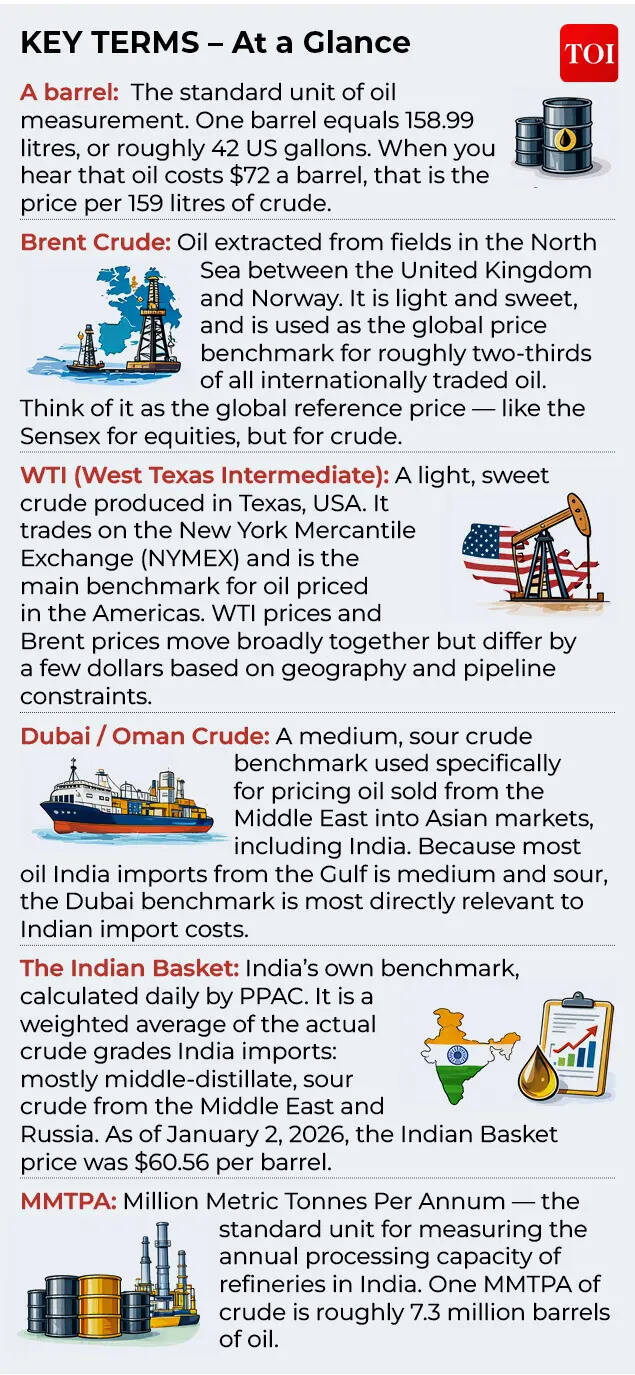
With hundreds of crude grades traded globally, markets need reference prices. Benchmarks serve this function: widely traded, transparent contracts whose prices become the starting point for pricing almost every other grade as a premium or discount.Brent Crude, produced from a blend of North Sea fields known as BFOET (Brent, Forties, Oseberg, Ekofisk, Troll) and traded on the Intercontinental Exchange in London, is the world’s primary benchmark. ICE data indicates that Brent underlies the pricing of approximately two thirds of globally traded crude. Its authority rests on a structural quality: Brent cargoes are seaborne. Oil loaded at a North Sea terminal can reach any refinery in the world, making its price a genuine reflection of global supply and demand rather than regional logistics.
-

West Texas Intermediate (WTI), traded on the NYMEX at Cushing, Oklahoma, is the primary US benchmark. It is marginally lighter and sweeter than Brent. But WTI is landlocked, its price reflects pipeline capacity and storage constraints at Cushing as much as global market conditions. When US shale output surged between 2012 and 2019, Cushing storage repeatedly filled, pushing WTI prices well below Brent even as world demand climbed. The US Energy Information Administration reports American crude production now exceeds 13 million barrels per day, making the United States the world’s largest producer, yet WTI’s geographic constraint has not fundamentally changed.Less visible in Western financial coverage but essential to Asia is the Dubai/Oman average, the benchmark for the sour, medium-density crude that flows east from the Gulf. It is the price marker against which more than three quarters of India’s imported crude is contracted. The Brent-WTI spread and the Brent-Dubai differential are among the most closely tracked numbers in the global energy trade, each reflecting a different kind of market signal.

How oil travels: Upstream, Midstream, Downstream

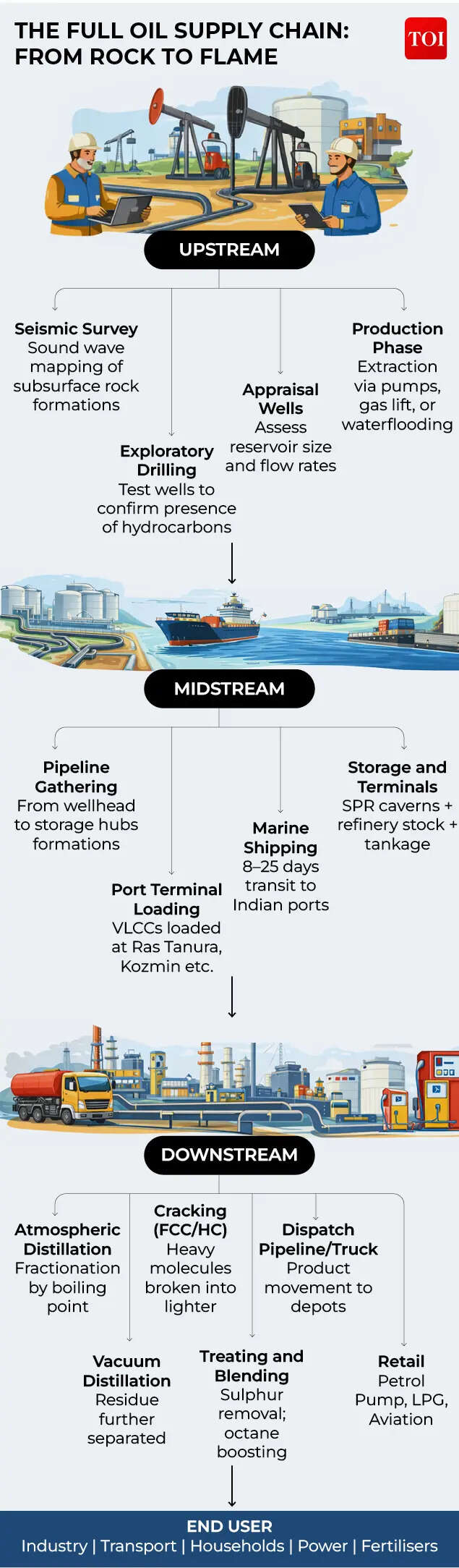
Every barrel of crude passes through three stages before it becomes a usable fuel. Understanding which stage is currently under the most stress is essential to understanding what is happening to prices in March 2026.
-

Upstream is exploration and production. It covers geological surveys, drilling rigs and wellheads. In India, ONGC and Oil India are the principal domestic producers, but their combined output in FY 2024-25 amounted to approximately 29 million metric tonnes, covering barely 11 per cent of national consumption, according to PPAC. The remainder must be imported.Midstream is transportation: the pipelines and tankers that carry crude from wellhead to refinery gate. The most critical single point in the global midstream system is the Strait of Hormuz, a waterway 33 kilometres wide at its narrowest, between Iran and Oman. The EIA estimates that roughly 20 per cent of all global petroleum liquids pass through it each day. No pipeline bypass currently operates at adequate scale.
-

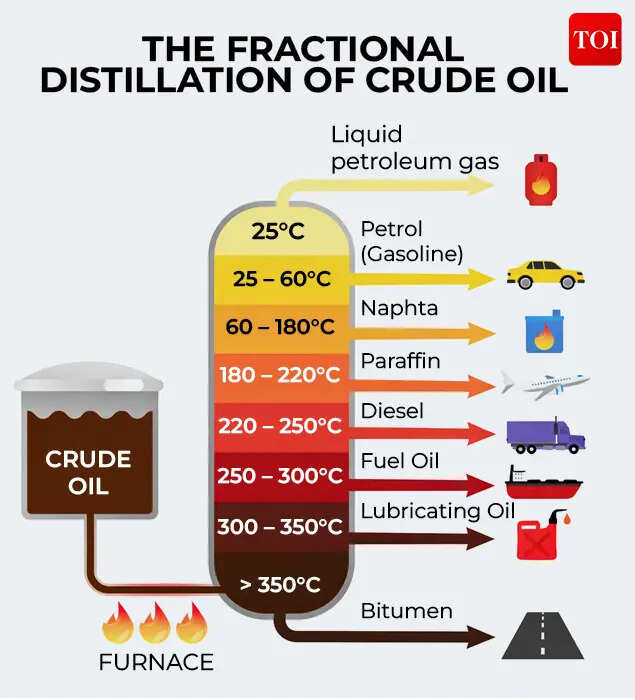
Downstream is refining and distribution, where crude is separated through fractional distillation and then upgraded by processes such as fluid catalytic cracking, hydroprocessing and coking into the product slate that consumers actually use: petrol, diesel, aviation fuel, LPG and petrochemical feedstocks. The complexity of a refinery, measured by the Nelson Complexity Index, determines what grades it can process and how profitably. It is in the downstream that India has invested most deliberately over the past quarter century.It is the midstream layer, the movement of oil, that has come under the most severe strain since late February 2026.

OPEC, OPEC+ and the limits of Coordination

The volume of crude entering the global midstream system each day is not purely determined by geology. Since 1960 it has been partly managed by collective decision.The Organization of the Petroleum Exporting Countries, or OPEC, founded in Baghdad and currently comprising 12 members including Saudi Arabia, Iraq, Iran, Kuwait and the UAE, coordinates production levels among its members to influence price stability. In 2016, facing a market flooded by American shale oil, OPEC extended this coordination to include Russia and nine other non-member producers, creating OPEC+. The expanded group now accounts for roughly half of global production.OPEC+ production from the Middle East stood at approximately 29.1 million barrels per day in the first quarter of 2026, down from 30.2 million in 2024, according to the IEA. Total global production was approximately 100.4 million barrels per day in Q1 2026, up from 97.4 million in 2024 — a figure that reflects rising non-OPEC output from North America and Latin America even as Middle East output has tightened.The cartel’s pricing power is structurally constrained by competitive production elsewhere. North America produced approximately 28.6 million barrels per day in Q1 2026. American output alone exceeds 13 million barrels per day, making the United States the world’s largest single producer, according to the EIA. When OPEC+ restricts supply and prices rise, American shale drilling has historically accelerated within months, partially offsetting the cut. In the current crisis, however, the constraint is not production quota –it is transit.

Region 2024 (mb/d) Q1 2026 (mb/d) Change
North America 28.4 28.6 +0.2
Middle East 30.2 29.1 −1.1
Eurasia (incl. Russia) 13.5 13.5 0
Africa 7.2 7.4 +0.2
Latin America 7.4 7.7 +0.3
Total Oil Production 97.4 100.4 +3.0
of which OPEC Crude 27.2 27.1 −0.1
of which Total OPEC+ 49.9 51.0 +1.1

Source: International Energy Agency, Oil Market Report March 2026. mb/d = million barrels per day.

The Indian Basket

The Indian basket is not a fixed benchmark but a dynamic measure of the country’s actual crude procurement. India buys a mix of crude grades through contracts with multiple producers, and the Petroleum Planning and Analysis Cell (PPAC) calculates a weighted daily average based on realised transaction prices. The Indian basket, therefore, is a record of cost rather than a traded market price.According to PPAC’s methodology notes, the basket currently comprises 78.71 per cent sour grades, represented by the Oman and Dubai average and 21.29 per cent sweet grades linked to Brent dated prices. This composition reflects the crude actually processed in Indian refineries and is derived from the proportion of high-sulphur and low-sulphur crude in total refinery throughput. The tilt toward sour crude is a deliberate strategic choice built on refining economics. A complex refinery equipped with vacuum distillation units, fluid catalytic crackers, hydrotreaters and coking units can buy discounted sour crude and still produce Euro-VI compliant petrol and diesel. The capital investment required is substantial, but a sustained three to fifteen dollar per barrel discount on sour crude, realised over decades of throughput, justifies it commercially. India has been building this refining complexity methodically since the early 2000s.

India’s refinery networks

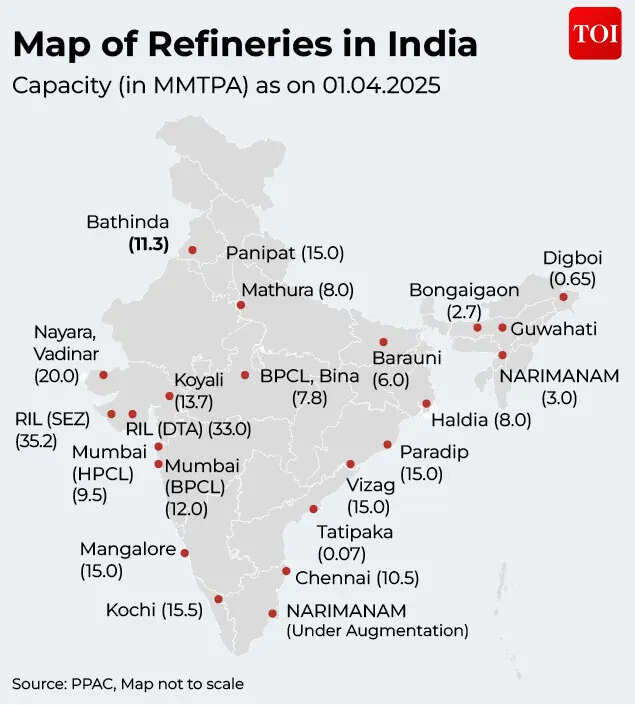
India operates 23 refineries with a combined capacity of approximately 256.8 million metric tonnes per annum (MMTPA) as of April 2025, according to the Ministry of Petroleum and Natural Gas.
-

The concentration along India’s western coastline is deliberate. Imported crude arrives at sea terminals in Gujarat, Maharashtra and Karnataka, feeding the large coastal complexes directly. The largest single site is Reliance Industries’ Jamnagar complex in Gujarat, where the SEZ and DTA units together exceed 68 MMTPA, making it the largest refining concentration at any single location in the world. IndianOil operates refineries at Panipat and Mathura in the north, Haldia on the east coast, and at Paradip in Odisha. BPCL and HPCL anchor refining in Mumbai and other urban centres. In the northeast, smaller refineries at Numaligarh, Guwahati, Digboi and Bongaigaon serve legacy producing fields and regional demand.In February 2026, Indian refineries processed 21.9 million metric tonnes of crude, of which nearly 20 MMT was imported, according to PPAC’s monthly report.

When the import bill becomes a problem

The economic transmission from a disrupted Strait of Hormuz to an Indian household is neither immediate nor simple, but it is real, and it moves through several channels simultaneously.The first is the import bill. India spends more on crude oil imports than on any other single import category. A sustained rise in the Indian basket price directly widens the current account deficit and exerts downward pressure on the rupee. A weaker rupee makes oil imports more expensive still, compounding the pressure in a feedback loop that is well understood by Indian policymakers but a challenge to deal with once it gains momentum.With the Indian basket at $111.93 and pump prices unchanged, state fuel retailers –IndianOil, Hindustan Petroleum and Bharat Petroleum – are losing approximately Rs 24 on every litre of petrol sold and Rs 30 on every litre of diesel, according to TOI. The Centre on Friday (March 27) slashed the special additional excise duty on both petrol and diesel by Rs 10 per litre each– a decision that will cost the exchequer an estimated Rs 1.3 lakh crore. At the same time, it imposed export duties: Rs 21.50 per litre on diesel and Rs 29.50 per litre on aviation turbine fuel, designed to capture windfall gains from Indian refiners exporting into a tight global product market. The windfall tax is expected to recover approximately Rs 1,500 crore in the first fortnight, partially offsetting the excise cut. Pump prices, critically, remain unchanged.“In view of the ongoing and evolving situation in West Asia, our government has resolved to provide relief in the form of a significant reduction in excise duties on petroleum and diesel so as to ensure stable prices.” said Finance Minister Nirmala Sitharaman, Rajya Sabha

Going forward, we will continue to ramp up our efforts in mobilising additional non-tax revenues, and our government will remain on its toes to carefully manage the country’s fiscal position.

Finance Minister Nirmala Sitharaman, Rajya Sabha (March 27)

In a S&P Global report citing Jefferies research note on the Strait of Hormuz disruption, which said that every $10-per-barrel rise in crude prices above $80, if passed through to consumers, could lift the Consumer Price Index by 20–25 basis points.“If the government absorbs the increase through an excise duty reduction instead of passing it on, the same quantum falls on the fiscal deficit. Neither outcome is comfortable,” the note said.However, the ministry of Petroleum and Natural Gas, in its statement of March 26, offered a more detailed official picture: against a total reserve capacity of 74 days, actual availability currently stands at approximately 60 days – accounting for crude stocks, refined product inventories and the three underground strategic petroleum reserve sites at Visakhapatnam, Mangaluru and Padur in Karnataka, which hold a combined 5.33 million metric tonnes, or roughly 9 to 10 days of consumption at current rates. There are no comparable strategic reserves for natural gas.“India’s petroleum and LPG supply situation is fully secure and under control. There is no shortage of petrol, diesel, or LPG anywhere in the country,” the ministry stated, calling India “an oasis of energy security” that supplies refined fuel to more than 150 countries. It described reports of shortages and panic buying at filling stations as “a deliberately mischievous, coordinated campaign of misinformation.The broader worry, as Priyanka Kishore of Singapore-based Asia Decoded notes, is the nature of a protracted disruption. An affordability problem, higher prices absorbed by government or consumers is a familiar challenge, one India has navigated through multiple oil price cycles since 2002, cited S&P Global. An availability problem where supply physically cannot reach refineries is categorically different. It implies production cutbacks, product shortages and, in extremis, demand rationing. India has not faced that scenario in the modern era of its refinery build-out.The government’s current posture rests on three foundations: diplomatic negotiations with Iran that have secured transit access for Indian-flagged vessels, active sourcing from 41 alternative suppliers, and fiscal intervention to hold pump prices while exporting windfall taxes back into the system. For now, refineries are running. Tankers are being rerouted. The government is watching its reserve cover. But the situation is fast evolving, and remains uncertain globally.


Source link

IPL 2026: Who is Abhinandan Singh? Meet RCB’s debutant who dismissed Virat Kohli twice | Cricket News


IPL 2026: Who is Abhinandan Singh? Meet RCB’s debutant who dismissed Virat Kohli twice
Royal Challengers Bengaluru’s Virat Kohli, right, and Abhinandan Singh (PTI Photo/Shailendra Bhojak)

Abhinandan Singh has emerged as a new name in the Indian Premier League after being handed his debut by Royal Challengers Bengaluru in the 2026 season opener against Sunrisers Hyderabad at the M Chinnaswamy Stadium.The right-arm pacer from Uttar Pradesh has taken a quick rise in the game. Four years ago, he was playing tennis-ball cricket. He is now part of RCB’s playing XI in one of the biggest matches of the season. The medium fast bowler proved to be impressive in the Uttar Pradesh T20 League where he claimed 15 wickets in 11 games while representing the Lucknow Falcons. Abhinandan had already impressed within the RCB camp before the season. He dismissed Virat Kohli in both intra-squad practice matches, which brought him into contention for a spot in the XI. RCB’s pace attack has been affected by multiple absences. Josh Hazlewood is injured, while Yash Dayal has been ruled out of the season. Nuwan Thushara is unavailable due to not receiving an NOC. This opened up a place alongside senior bowlers like Bhuvneshwar Kumar and Jacob Duffy. The match also marked the return of cricket to the venue after the stampede during RCB’s title celebrations last year that resulted in 11 deaths. Players wore black armbands as a mark of respect and had trained in No. 11 jerseys ahead of the game. Abhinandan’s selection comes at a time when the team needed a reliable option in its pace unit. His debut marks the start of his journey at the IPL level.Royal Challengers Bengaluru (Playing XI): Virat Kohli, Philip Salt, Rajat Patidar(c), Jitesh Sharma(w), Tim David, Romario Shepherd, Krunal Pandya, Bhuvneshwar Kumar, Abhinandan Singh, Jacob Duffy, Suyash SharmaSunrisers Hyderabad (Playing XI): Abhishek Sharma, Travis Head, Ishan Kishan(w/c), Heinrich Klaasen, Aniket Verma, Nitish Kumar Reddy, Salil Arora, Harsh Dubey, Harshal Patel, Jaydev Unadkat, Eshan Malinga


Source link

Olympic champion Tom Pidcock survives terrifying ravine crash at Volta a Catalunya, finishes stage despite injury scare | International Sports News


Olympic champion Tom Pidcock survives terrifying ravine crash at Volta a Catalunya, finishes stage despite injury scare
Tom Pidcock (Image Via Getty Images)

Two-time Olympic champion Tom Pidcock escaped serious injury after a frightening crash during stage five of the Volta a Catalunya. The British rider fell into a ravine while descending at high speed. The incident left him briefly stranded, as no one immediately realized where he had crashed. Despite the severity of the fall, Pidcock managed to communicate through his race radio. He was later able to rejoin the race.The 26-year-old rider, who was second overall before the stage, showed remarkable resilience. Even after the shocking fall, he got back on his bike and completed the stage. He eventually finished far behind stage winner Jonas Vingegaard, but his ability to continue racing was seen as a major relief. His team later confirmed that early medical checks showed no serious injuries, although further assessments were planned.

Tom Pidcock escapes major injury after dramatic crash

After the race, Tom Pidcock described the crash as a frightening moment that could have ended much worse. While descending, he briefly took his hands off to drink and misjudged a corner. As a result, he failed to brake in time and went straight off the road into a ravine. He explained that it felt like one of the worst types of crashes seen in cycling, but he was fortunate to escape without serious harm.He added that he landed far away from the road, making it difficult for others to notice the accident. Fortunately, he was able to use his race radio to call for help. No one initially knew his location. He later reflected that considering the speed of around 60 km/h, he was lucky to walk away relatively unharmed.Despite the incident, Pidcock showed determination. He remounted his bike and finished the stage, although he lost significant time. His team reported that initial checks did not reveal any major injuries. However, he would still undergo further medical evaluation as a precaution. Pidcock’s well being has been the biggest relief for his team and his fans. The incident came shortly after another serious crash in professional cycling involving Debora Silvestri during the Milan-San Remo. Silvestri suffered multiple injuries after going over a roadside barrier but has since been discharged from hospital and is continuing her recovery at home.


Source link

Pakistan still a base for terrorists targeting India, says US report


Pakistan still a base for terrorists targeting India, says US report

US officials have identified Pakistan as a base of operations and/or target for numerous armed, nonstate terrorist groups, a recent report said. Twelve of the 15 groups listed are designated as Foreign Terrorist Organisations (FTOs) under US law, and most, but not all, are animated by Islamist extremist ideology.The report comes as Pakistan faces a sharp resurgence in terrorist violence. Pakistan has suffered considerably from domestic terrorism since 2003, and related fatalities peaked in 2009. Many observers predicted a resurgence of regional terrorism in the wake of the Afghan Taliban’s 2021 takeover, and data show this has occurred.After five consecutive years of declining fatality rates down to 365 in 2019, the number of terrorism-related deaths in Pakistan has risen every year since, spiking to 4,001 in 2025, the highest toll in 11 years. By many accounts, Pakistan currently is the country most impacted by terrorism.Although major cities such as Islamabad and Lahore have been targeted, the great majority of terrorism-related fatalities in 2025 were concentrated in Khyber Pakhtunkhwa and Balochistan, especially near the border with Afghanistan. According to the report, Khyber Pakhtunkhwa accounted for 68% of the deaths and Balochistan for 28%.Pakistan adopted a National Action Plan in 2014 to counter terrorism, seeking to ensure that no armed terrorists are allowed to function in the country. In 2018, the Paris-based intergovernmental Financial Action Task Force (FATF) returned Pakistan to its “gray list” of countries found to have “strategic deficiencies” in countering money laundering and terrorist financing. In late 2022, FATF assessed that Pakistan had addressed technical deficiencies and completed all action items, and it removed the country from the gray list.Also in 2018, US President Donald Trump in his first term designated Pakistan a “Country of Particular Concern” under the International Religious Freedom Act of 1998. It has been redesignated annually since.Among the groups identified in the report is Al Qaeda (AQ) “core,” which was founded in 1988 in Pakistan by Osama bin Laden and designated as an FTO in 1999. The report says AQ core has been seriously degraded, but still has alliances with numerous other Pakistan-based FTOs.The report also highlights Islamic State-Khorasan Province (ISKP or IS-K), a regional affiliate of the Islamic State of Iraq and Syria (ISIS, ISIL, or the Arabic acronym Da’esh) that made inroads in Afghanistan in 2015 and was designated as an FTO in 2016.Its estimated 4,000-6,000 fighters are mostly former members of the Tehrik-i-Taliban Pakistan and the Islamic Movement of Uzbekistan who are based in Afghanistan but also operate in Pakistan, along with disaffected Afghan Taliban fighters.Lashkar-e-Taiba (LET) was formed in the late 1980s in Pakistan and designated as an FTO in 2001. Led by now-incarcerated Hafiz Saeed and based in Pakistan’s Punjab province and in Pakistan-administered Kashmir, it later changed its name to Jamaat-ud-Dawa to circumvent sanctions.With several thousand fighters, LET was responsible for the mass-scale 2008 terrorist assault on Mumbai, India, as well as several other high-profile attacks.Tehrik-i-Taliban Pakistan (TTP) was formed in 2007 and designated as an FTO in 2010. It is widely regarded as the deadliest terrorist group operating in Pakistan and has undertaken numerous mass-casualty attacks on Pakistani security forces and their families.TTP is composed largely of ethnic Pashtun terrorists who unified under the leadership of now-deceased Baitullah Mehsud, then based in the former FATA, with representatives from each of Pakistan’s seven former tribal agencies. TTP leadership reportedly fled into the border areas of eastern Afghanistan in response to Pakistani military operations in 2014.Resurgent since 2021 and led by Noor Wali Mehsud, the group has ties to Al Qaeda and an estimated 2,500-5,000 cadre. It seeks to defeat Pakistan’s government and establish Sharia law in Khyber Pakhtunkhwa. Pakistan government officials accuse the Afghan Taliban of providing safe haven for the TTP.The Balochistan Liberation Army (BLA), also known as the Majeed Brigade, was founded in 2000 and designated as an FTO in 2025. An ethnic-based separatist group with several thousand terrorists, it employs guerrilla warfare tactics, including attacks targeting People’s Republic of China (PRC) nationals and PRC-funded investment projects in Balochistan.


Source link

‘Waved at his friends, blew kisses’: 22-year-old’s livestreams last moments before dying by suicide | India News


‘Waved at his friends, blew kisses’: 22-year-old’s livestreams last moments before dying by suicide

NEW DELHI: A 22-year-old man died by suicide in Madhya Pradesh’s Shivpuri district after streaming his final moments on Instagram, police said on Saturday. The incident, which unfolded late on Friday night, has raised concern over the role of social media in such tragedies, with a 14-minute video of the act later circulating online.According to officials, the incident occurred under the Dehat police station limits. Station house officer Vikas Yadav said the man, identified as Manoj Rajak, went live on Instagram shortly before taking the extreme step. “He waved at his friends during the live chat and blew kisses before hanging himself from a noose tied to a ceiling fan,” Yadav told PTI.Rajak, who worked as a plumber, also sold ready-made garments from his rented room. He had been living alone after his father remarried, following the death of his mother. Friends and acquaintances described him as quiet and well-mannered.One of his friends, Shubham Rajak, said they immediately rushed to his room after noticing the distressing visuals on Instagram around 10.30 pm. However, by the time they reached, he had already died.Police said no suicide note was found at the scene. The body was sent for post-mortem and later handed over to the family. Officials have seized Rajak’s mobile phone and are examining his social media activity as part of the investigation.


Source link

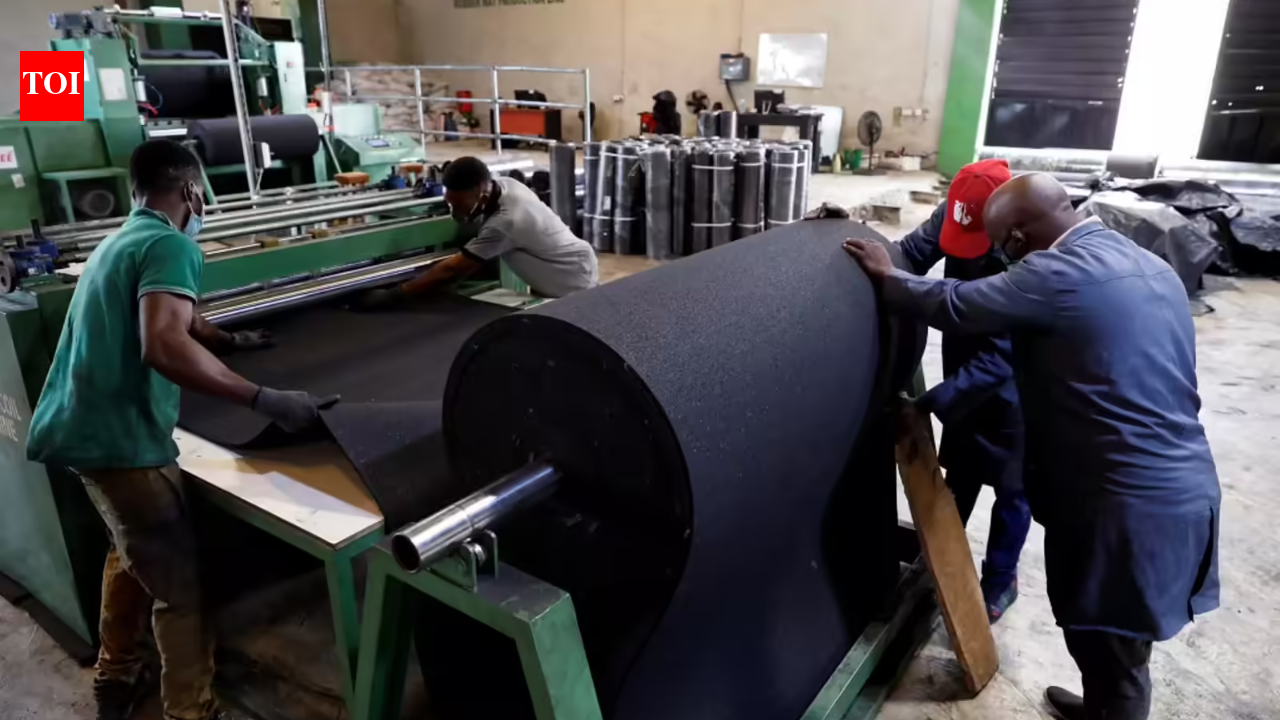
Rubber industry seeks govt intervention amid rising costs in wake of West Asia war


Rubber industry seeks govt intervention amid rising costs in wake of West Asia war

Hyderabad: India’s rubber industry has sought urgent govt intervention as global supply disruptions linked to the West Asia conflict have pushed up raw material and freight costs, threatening thousands of small manufacturers and exporters across the country.In a representation to the commerce ministry, the All-India Rubber Industries Association said SMEs are facing severe stress as prices of natural rubber, synthetic rubber and rubber chemicals have shot up amid shipping delays, insurance hikes and uncertainty in crude-linked inputs.

Watch

‘Taking Every Step’: PM Modi’s BIG Assurance To Tackle Global Shock Without Hurting Citizens

The industry body has urged the govt to ensure equitable raw material access for MSMEs, provide credit support, waive duties on certain synthetic rubbers, and speed up port clearances to protect jobs and export commitments. It has also urged the govt to facilitate alternative sourcing by granting temporary exemptions or easing imports from China and Southeast Asian countries.“The impact on the rubber industry is huge because all the raw materials we use to produce rubber components are oil-based, mainly carbon black, synthetic rubber oils. So anytime oil prices go up, everything goes up,” said Anay Gupta, president of the association.“At present there’s about 30% to 40% increase in raw material prices if we compare with before the war started,” Gupta said, adding that the sharpest increases have been seen in carbon black, synthetic rubber and processing oils, while natural rubber has also become costlier.“For natural rubber, increase is about 10% because though it’s not oil-based but demand-driven, about 40% of natural rubber used in India is being imported. Freight charges and insurance costs have gone up due to the conflict.”The association said shipping lines have imposed steep surcharges, worsening the burden on manufacturers. Gupta said, “Shipping lines have put $2,000 surcharge on 20ft containers and $3,000 on 40ft containers. Insurance costs also have increased and freight charges have nearly doubled.”He said India’s dependence on imports has made the sector especially vulnerable. Gupta said India produces only about 60% of the natural rubber it consumes, while synthetic rubber imports account for a very large share of domestic demand.Industry data shows India consumed 8,56,900 metric tonnes of synthetic rubber in FY25, of which 4,13,627 metric tonnes, or nearly 48%, was imported.The impact of the conflict is expected to be significant for export-oriented segments such as automotive components, belting, footwear and sports goods. “Anybody and everybody who uses rubber and these inputs is affected badly,” Gupta said.In Telangana, the rubber industry largely comprises around 800 units, mostly MSMEs, with an annual turnover of around Rs 3,000 crore, contributing 0.5% to 1% of manufacturing output and less than 1% of GSDP.Clusters around Hyderabad and Mahabubnagar produce hoses, tubes, sheets and profiles, while reclaimed rubber units process waste tyres.


Source link

Gold Price: Dubai gold price climbs on March 27: 24K at around Dh624 per gram as inflation fears drive buying | World News


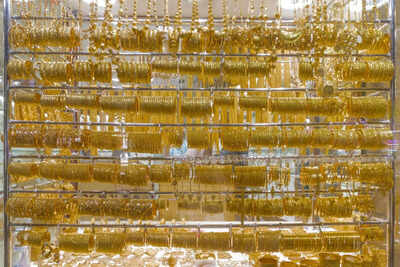
Gold prices in Dubai rise sharply on March 27 as global uncertainty, weak dollar and strong demand / Image: file

The “City of Gold” witnessed a vibrant morning on Friday as gold prices in Dubai staged a notable recovery, snapping a downward streak that had dominated the market for over a week. In a classic display of retail resilience, residents and tourists alike flocked to the Dubai Gold Souk and major jewellery outlets to capitalize on the price swings. By 9:42 am on March 27, 2026, the 24-karat variant was retailing at Dh543.73 per gram, marking a significant jump from the previous day’s lower levels and providing a much-needed boost to market sentiment after a volatile month.

Dubai gold price today

Metal Type Category / Purity Retail Price (per gram)
Gold 24K AED 543.73
Gold 22K AED 503.42
Gold 21K AED 480.52
Gold 18K AED 411.87
Silver Retail Spot AED 10.79
Platinum Retail Spot AED 283.54
Palladium Retail Spot AED 217.50

This upward movement is largely tied to global spot gold prices, which have remained firm due to persistent concerns over inflation and economic slowdown risks. Currency fluctuations, particularly a softer US dollar, have further supported gold’s upward trajectory, making it more attractive to international buyers.Jewellers across Dubai noted that while footfall remains steady, buyers are becoming more value-conscious, often opting for lighter jewellery or delaying bulk purchases in anticipation of price corrections.

Global inflation cues

The primary catalyst behind this morning’s price hike lies across the Atlantic, where investors are laser-focused on the US Personal Consumption Expenditures (PCE) inflation data. This metric is the Federal Reserve’s preferred gauge and is expected to dictate the pace of interest rate cuts for the remainder of 2026. Earlier this year, a hawkish shift from the Fed—following the nomination of Kevin Warsh as Chair, sent precious metals into a tailspin, with silver crashing 44% from its January highs. However, the current technical support levels have invited fresh buying interest as traders hedge against potential inflation surprises and a slightly softening US dollar.

UAE gold demand trends

In the UAE, gold demand remains resilient but measured. Retail buyers, especially ahead of festive and wedding seasons, continue to show interest, though rising prices are influencing purchasing patterns.Jewellers report a shift towards:

  • Lightweight and budget-friendly jewellery
  • Exchange offers and promotions
  • Delayed purchases in anticipation of dips

Tourist demand, a key driver for Dubai’s gold market, remains stable, providing additional support to overall sales despite higher price levels.Earlier dips in gold rates had encouraged buying, particularly among residents and tourists. However, the current upward movement suggests the market remains sensitive to external triggers; any signs of economic stress quickly translate into higher gold prices.Analysts expect this trend to continue in the near term. Gold will likely remain volatile but supported at higher levels unless global economic conditions shift significantly.

Outlook for Dubai gold market

Looking ahead, global economic indicators, Dubai gold price climbs on March 27: 24K at around Dh624 per gram amid global market jitters particularly inflation data and central bank policy decisions, are expected to influence gold prices in Dubai. Any signals of easing monetary policy could further strengthen gold prices.For buyers in the UAE, this means navigating a market where prices may stay elevated in the short term. For investors, gold continues to offer stability and diversification, especially in uncertain economic environments.As markets await clearer direction, gold’s role as a safe-haven asset remains firmly intact, keeping Dubai’s bullion trade active and closely watched.


Source link

GT head coach Ashish Nehra’s witty response to trade deal with MI ahead of IPL 2026


Gujarat Titans head coach Ashish Nehra grabbed attention with his witty remark while addressing the franchise’s recent trade with Mumbai Indians ahead of IPL 2026. Gujarat traded Caribbean all-rounder Sherfane Rutherford to Mumbai in an all-cash deal, boosting their purse but not bringing in any player in return.

The move once again raised questions about GT’s strategy of trading players for cash, especially when dealing with a powerhouse franchise like Mumbai Indians.

Ashish Nehra’s humorous take on not getting a big player

During a pre-season press conference in Ahmedabad, Nehra was asked why Gujarat Titans often end up trading players to Mumbai Indians without receiving a big-name cricketer in exchange. Responding in his trademark light-hearted style, Nehra said:

“Humare haath me hota toh Jasprit Bumrah le aate. Woh maane nahi.”

(If it were in our hands, we would have brought Jasprit Bumrah. They wouldn’t agree.)

The comment drew laughter and quickly went viral, as Nehra acknowledged the obvious—Mumbai Indians would never part ways with one of their biggest match-winners and India’s premier fast bowler.

Also READ: Gujarat Titans IPL 2026 Full Schedule: Date, Time & Venues of GT matches

All-cash deal boosts GT’s auction purse

The trade involving Sherfane Rutherford was a pure cash deal, meaning Gujarat Titans did not receive any player in return. Instead, the franchise added financial flexibility to its purse, which could be crucial for the upcoming mini-auction or mid-season adjustments.

This is not the first time GT has followed such a strategy. Back in 2024, the franchise had allowed Hardik Pandya to return to Mumbai Indians in a similar all-cash deal, which also strengthened their budget but did not bring in a direct replacement.

Such moves indicate a clear approach, building long-term squad depth through smarter auction investments rather than direct player swaps.

Reality of IPL trades highlighted by Nehra

Nehra’s remark, though humorous, underlines a key reality of IPL trades. Big franchises like Mumbai Indians are unlikely to release their marquee players, especially proven match-winners like Bumrah.

As a result, teams like Gujarat Titans often have to settle for financial gains rather than high-profile player acquisitions in such deals. The comment also reflects the competitive yet respectful dynamic between franchises, where negotiations are driven by team priorities rather than fan expectations.

Also READ: Mumbai Indians IPL 2026 Full Schedule: Date, Time & Venues of MI matches


Source link

WTO talks: Sharp divide over e-commerce duty moratorium as India opposes permanent extension


WTO talks: Sharp divide over e-commerce duty moratorium as India opposes permanent extension

A sharp divide has emerged at the ongoing World Trade Organisation (WTO) ministerial conference in Cameroon over the continuation of the e-commerce moratorium on customs duties, think tank Global Trade Research Initiative (GTRI) said on Saturday, reported PTI.It noted that while the US is pushing for a permanent extension of the moratorium, India and several developing countries are opposing the move, citing concerns over revenue loss and policy constraints.“The sharpest divide is there over the e-commerce moratorium on customs duties. A temporary compromise of 2-4 years appears the most likely outcome,” GTRI said.The third day of the WTO’s 14th Ministerial Conference (MC14) in Yaounde is emerging as crucial, with discussions taking place across four key tracks — fisheries subsidies, investment facilitation, e-commerce and agriculture.On the China-led Investment Facilitation for Development (IFD) pact, pressure on India is expected to intensify during small-group “green room” meetings, GTRI founder Ajay Srivastava said.“India’s concern is less about the pact itself than the precedent it sets, opening the door to plurilateral deals that once embedded within the WTO, act as Trojan horses gradually reshaping the institution’s multilateral character,” he said.He added that limited progress is likely on fisheries subsidies as divisions among members continue to persist.“With tensions spanning digital trade, IFD and plurilateral agreements, today’s discussions are set to determine whether MC14 ends in a modest compromise or exposes deeper fractures within the WTO,” Srivastava said.


Source link

Gut Microbiota and Probiotic Science Foundation organises 16th India probiotic Symposium in New Delhi | India News


Gut Microbiota and Probiotic Science Foundation organises 16th India probiotic Symposium in New Delhi

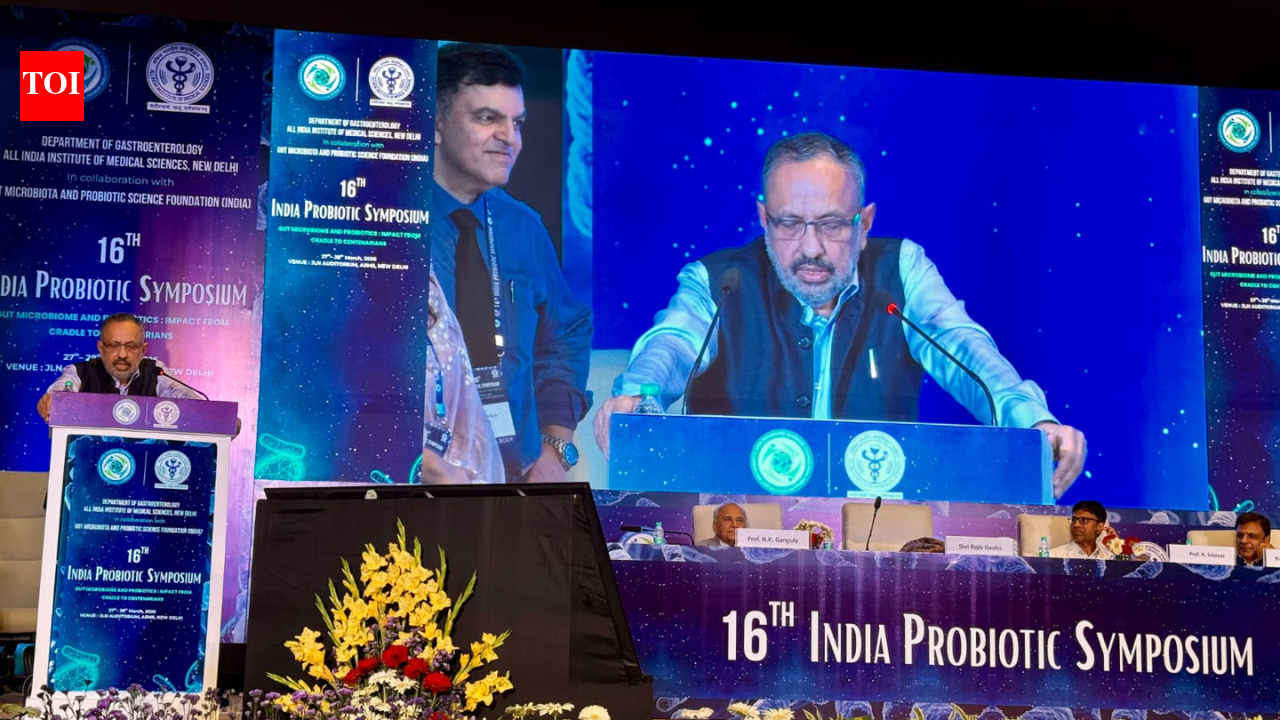
NEW DELHI: The Gut Microbiota and Probiotic Science Foundation organised the 16th India Probiotic Symposium on “Gut Microbiome and Probiotics: Impact from Cradle to Centenarians” in New Delhi on March 27-28. According to an official press release, delivering the Chief Guest address, Rajiv Gauba, Member, NITI Aayog, underscored the critical role of the gut microbiome in immunity, metabolism and preventive healthcare. Gauba expressed concern over the rapid shift in dietary habits in India, noting that urbanisation, changing lifestyles and the increasing consumption of ultra-processed and refined foods, often driven by social media and quick commerce platforms, are distancing people from traditional, nutritionally rich diets. He cautioned that these trends could have serious long-term consequences for gut health, highlighting that an estimated 56.4 per cent of India’s disease burden is attributable to unhealthy or imbalanced diets. He further warned that if neglected, “micro-organisms could create macro consequences.” Situating gut health within a wider development context, Gauba described healthcare as the most critical sector for both individual well-being and economic growth. He stated that India’s demographic dividend can only be realised with a healthy workforce and timely preparation for active and healthy ageing as the elderly share of the population rises. He emphasised that investment in health is an investment in Viksit Bharat and cited initiatives such as Ayushman Bharat, PM-JAY, PM Bharatiya Janaushadhi Pariyojana and Ayushman Arogya Mandirs, which have significantly strengthened primary healthcare and financial protection. He pointed out that out-of-pocket health expenditure has declined from 62.6 per cent to 39.4 per cent between FY15 and FY22, resulting in savings of over Rs 1.25 lakh crore for households. At the same time, Gauba acknowledged persistent challenges related to access, equity, affordability, quality, patient safety and shortages of skilled healthcare professionals. He emphasised that access to healthcare services continues to be influenced by socio-economic factors. Urging healthcare professionals to play a proactive role, he called for increased prescription of affordable generic medicines and greater use of digital health tools, telemedicine, data analytics, and AI to expand specialist care to underserved communities and act as advocates for those lacking access to quality medical services. Addressing the evolving field of probiotics, Gauba noted that microbiome science has progressed from descriptive studies to mechanistic and translational research. He highlighted emerging frontiers such as next-generation microbiome-based therapeutics, synthetic biology and CRISPR-enabled engineering of probiotic strains with targeted anti-inflammatory and metabolic functions for precision medicine. However, he cautioned against the growing spread of misinformation and misleading advertisements in the probiotics and supplements market, urging clinicians and researchers to use their credibility and media reach to disseminate accurate information, promote healthy dietary habits and champion preventive lifestyles that reduce the need for expensive diagnostics and procedures. Highlighting India’s rich heritage of fermented foods and traditional dietary practices, Gauba stated that the country is uniquely positioned to lead the global probiotic movement by combining traditional knowledge with genomic and microbiome research to develop clinically validated probiotics. He underlined the vast public health potential of probiotics to reduce infectious and chronic disease burdens, improve nutrition and strengthen population immunity. He also stressed that robust collaboration between academia, industry and regulators is essential to translate scientific advances into safe, effective and accessible products. Lauding the participation of young researchers and innovators, Gauba encouraged them to adopt multidisciplinary and evidence-based approaches to address complex health challenges. He expressed confidence that the symposium would catalyse new collaborations and reinforce India’s leadership in the field of microbiome and probiotic science.


Source link